
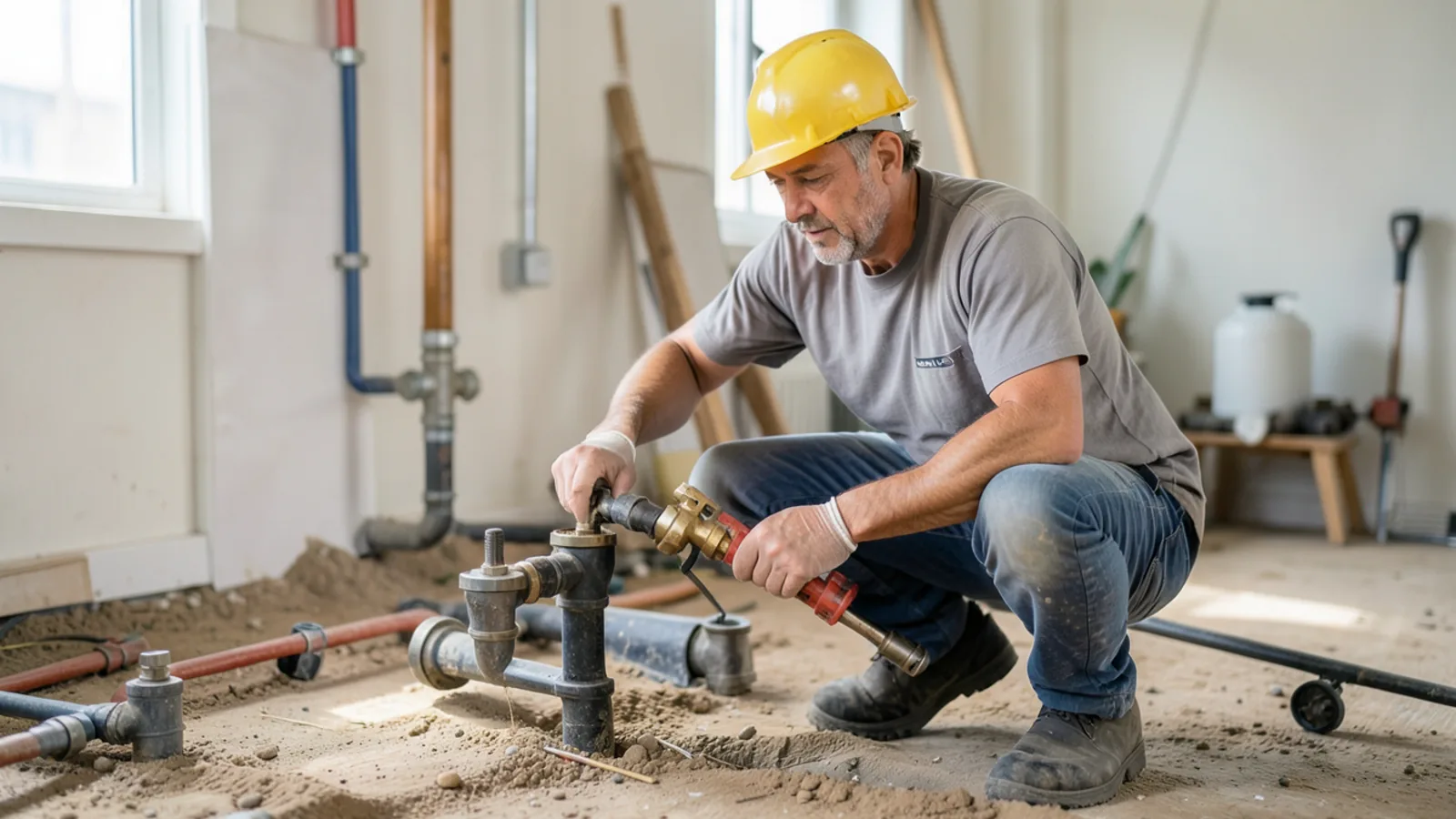
Answer first: how to locate and shut off your Corona water supply
During an active plumbing crisis—such as a ruptured copper pipe, an overflowing toilet, or a water heater tank breach—shutting off your main water supply within seconds is the single most effective action you can take to prevent thousands of dollars in structural flooring and drywall damage. In Corona and Western Riverside County, your residential water shutoff is located in one of three primary places:1. Exterior Foundation Wall: Mounted on the copper supply riser where municipal water enters your house, located directly beneath or next to your front exterior hose bib (found in approximately 85 percent of Corona single-family residences).2. Interior Garage Manifold: Positioned inside the garage adjacent to the water heater or near the interior laundry doorway, often mounted behind a plastic access panel (common in master-planned communities like Eagle Glen, Dos Lagos, and Bedford).3. Municipal Curb Meter Box: Located in the sidewalk parkway or front lawn near the street curb, housed inside a heavy concrete utility vault stamped WATER or CITY OF CORONA.To operate a lever ball valve, rotate the handle ninety degrees until it sits perpendicular to the copper pipe. To operate a wheel gate valve, rotate the round handle clockwise until firmly seated. If the house valve is stuck or missing, use a five-way water meter key to rotate the street curb valve ninety degrees clockwise until the padlock holes align. For emergency plumbing assistance, contact our Corona team at (207) 419-2600.
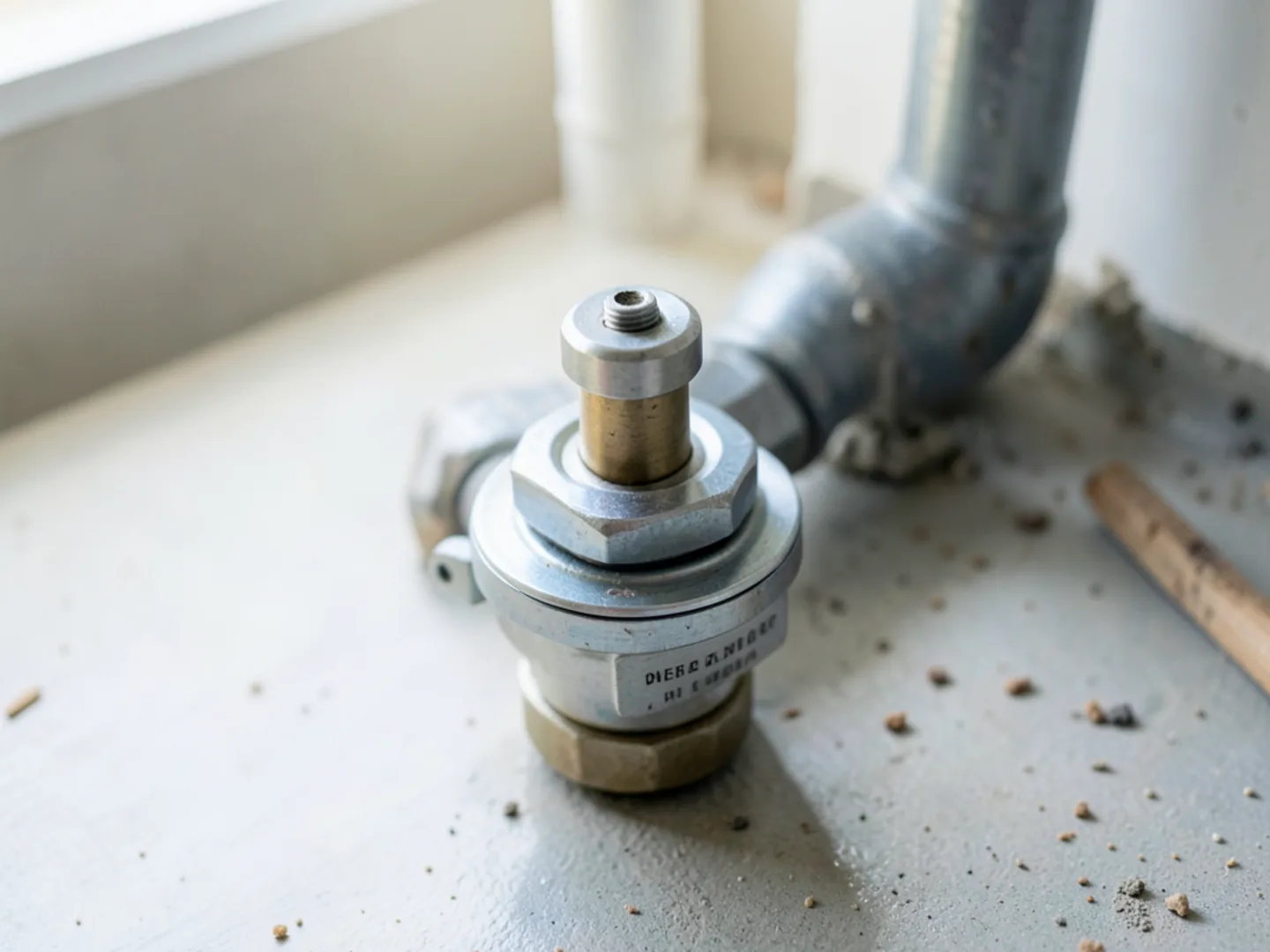
Location 1: The exterior front or side foundation riser
In established suburban tracts built throughout Corona from the 1970s through the early 2000s—including Sierra del Oro, South Corona, Mountain Gate, and Corona Hills—the primary whole-house water shutoff is almost always installed outdoors on the front or side foundation wall.To locate it, walk to the front corner of your home closest to the garage or main entryway. Inspect the foundation wall near ground level for an exposed three-quarter-inch or one-inch copper pipe rising vertically out of the dirt or concrete walkway. The piping assembly typically features a vertical riser, a main water shutoff valve, a brass bell-shaped pressure reducing valve (PRV), a hose bib faucet, and an elbow turning into the exterior stucco wall.Inspect the valve type on the riser:• Lever-Handle Ball Valve: Modern installations feature a heavy brass ball valve with a brightly colored vinyl-coated handle (usually blue, red, or yellow). This is a quarter-turn mechanism. When the handle is parallel to the pipe, water flows freely; when turned ninety degrees perpendicular to the pipe, the internal stainless steel ball halts all water entering the home.• Multi-Turn Gate Valve: Older tract homes frequently feature a round brass wheel handle. This valve operates like an outdoor garden faucet, requiring multiple clockwise rotations to lower an internal brass gate into a seat. Over decades of exposure to Corona hard water, these valves are prone to internal mineral encrustation and stem corrosion.
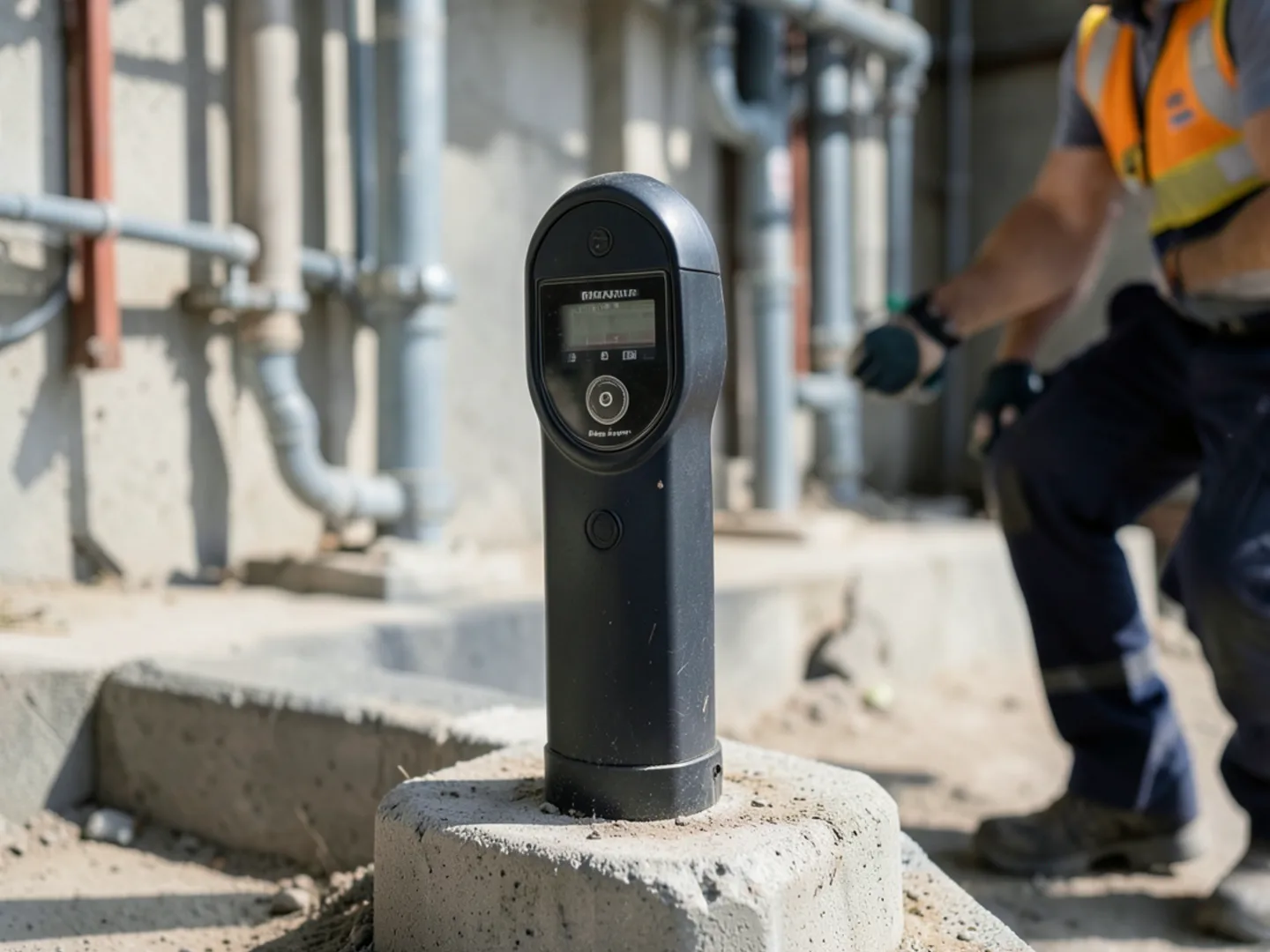
Location 2: Inside the garage near the water heater
In modern master-planned neighborhoods developed after 2005 across Corona, Eastvale, and the Temescal Valley—such as Eagle Glen, Dos Lagos, The Retreat, and Bedford—builders frequently placed the primary domestic shutoff manifold inside the finished garage to shield valves from intense Southern California sun exposure and eliminate exterior tampering.Step into your garage and inspect the walls surrounding the water heater or near the interior doorway leading into the home laundry room. You will typically find one of two configurations:First, look for an exposed copper riser rising through the concrete garage slab with a brass ball valve and a mechanical pressure gauge. Second, look for a square plastic or painted sheet metal plumbing access panel mounted flush into the drywall at eye level or waist height. Prying open the panel door reveals the main brass ball valve.Many modern garage installations utilize a dual-valve manifold setup. One valve isolates domestic potable water feeding the interior bathrooms, kitchen, and water heater, while a secondary branch valve controls exterior landscape irrigation. This allows homeowners to shut off indoor water during a plumbing repair while keeping lawn sprinklers operational on their scheduled cycles.
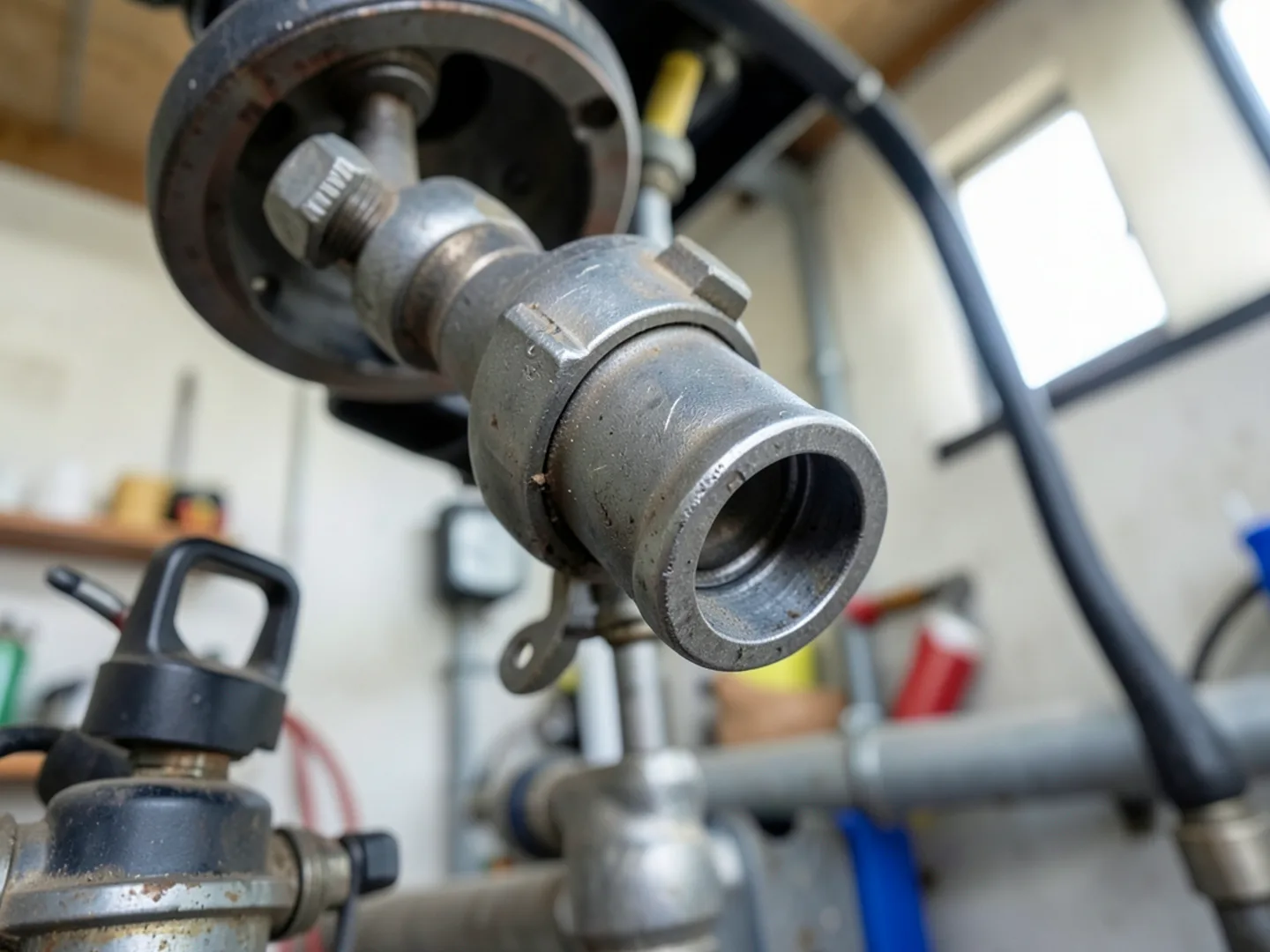
Location 3: The municipal water meter box near the street
If your primary house shutoff valve is missing, inaccessible due to localized flooding, or seized with calcium scale, your ultimate mechanical isolation point is the municipal curb stop valve located inside the city water meter box.Walk out to the street curb or sidewalk in front of your property. Look for a heavy rectangular concrete, iron, or composite utility box embedded flush in the lawn, parkway grass, or sidewalk flag. The lid is typically stamped with WATER, CITY OF CORONA, or EMWD. Insert a large flat-head screwdriver or pry bar into the finger hole on the lid to lift the heavy cover aside. Exercise caution when removing the lid, as dark meter boxes frequently house spiders, insects, or accumulated dirt.Inside the box, you will see your municipal water meter register flanked by heavy brass piping:• On the street side of the meter (the side closest to the roadway curb), you will find the municipal curb stop valve. This brass valve features a raised rectangular flange or lug with a small padlock eyelet.• To operate this valve, you need a standard five-way steel water meter key (a 28-inch to 36-inch steel T-handle bar with a slotted end) or an adjustable crescent wrench and a large screwdriver. Fit the slotted key over the raised brass lug and rotate it clockwise ninety degrees until the padlock holes align. When the lug is perpendicular to the pipe, the municipal water supply is completely isolated.
How to operate different valve types safely
Operating a water shutoff valve incorrectly during an emergency can break the mechanism and worsen the water leak. Follow these specific operational procedures for each valve category:• Operating a Lever Ball Valve: Grasp the vinyl-covered metal handle firmly and rotate it ninety degrees in either direction until it hits its positive mechanical stop. The handle will now sit completely perpendicular to the copper pipe. Ball valves operate smoothly and provide immediate visual verification: parallel means on, perpendicular means off.• Operating a Wheel Gate Valve: Turn the round wheel handle clockwise repeatedly (following the traditional righty-tighty rule) until the wheel stops turning and feels firmly seated. Essential safety warning: If an older gate valve feels stiff, gritty, or seized, never use pliers, vice-grips, or a cheater bar to force it. Excessive mechanical torque will twist off the internal brass stem, leaving the wedge permanently jammed inside the valve body or creating an uncontainable leak around the packing nut.• Operating a Street Curb Stop: Fit your meter key over the rectangular lug and turn clockwise exactly one-quarter turn (ninety degrees). Stop turning as soon as the padlock eyelets line up. Never force the curb stop past ninety degrees, as rotating it 180 degrees will turn the water back on.
Troubleshooting seized valves, stem leaks, and upgrades
When attempting to close a water valve during an urgent leak, homeowners sometimes encounter mechanical complications resulting from age and mineral deposits:If your main house gate valve will not turn, stop immediately. Do not risk breaking the valve stem. Abandon the house riser and proceed directly to the street meter box to shut off water at the curb. Once the emergency is resolved, contact our plumbing team to replace the obsolete gate valve with a commercial-grade, full-port brass quarter-turn ball valve.If water begins weeping from around the valve handle stem when operated, the internal packing seal has dried out or loosened. In most cases, you can stop this weeping by using a small adjustable wrench to tighten the packing nut located directly beneath the handle. Turn the packing nut clockwise approximately one-eighth of a turn until the dripping ceases.Upgrading your home primary water shutoff to a modern lead-free brass ball valve costs between $175 and $350, but pays immense dividends by providing instantaneous, reliable water isolation whenever a plumbing fixture fails.
Pre-emergency water shutoff checklist for Corona families
Do not wait for a pipe rupture to discover where your water shutoff is located. Complete this proactive six-step family safety drill this weekend:1. Physical Location Walk: Walk your property perimeter and locate your main house shutoff valve and your street curb water meter box.2. Visibility Tagging: Attach a bright yellow or orange waterproof tag to the main house shutoff valve so all family members can identify it instantly.3. Exercise the Valve: Slowly rotate the valve handle closed and open once each year to clear mineral deposits and prevent stem seizing.4. Purchase a Meter Key: Purchase an inexpensive steel water meter curb key from your local hardware store and hang it in your garage near the entryway.5. Clear the Meter Box: Inspect your street meter box; remove accumulated soil, leaves, and debris so the brass curb stop is clean and accessible.6. Save Emergency Contacts: Program our Corona plumbing dispatch line at (207) 419-2600 directly into your mobile phone contacts for rapid emergency response.
Need professional diagnostics or repairs in Corona?
Our technicians are stationed at 685 E Grand Blvd in Corona. Learn more about our complete plumber in Corona CA capabilities, or call our direct phone line at (207) 419-2600.