What our whole-home repiping service includes
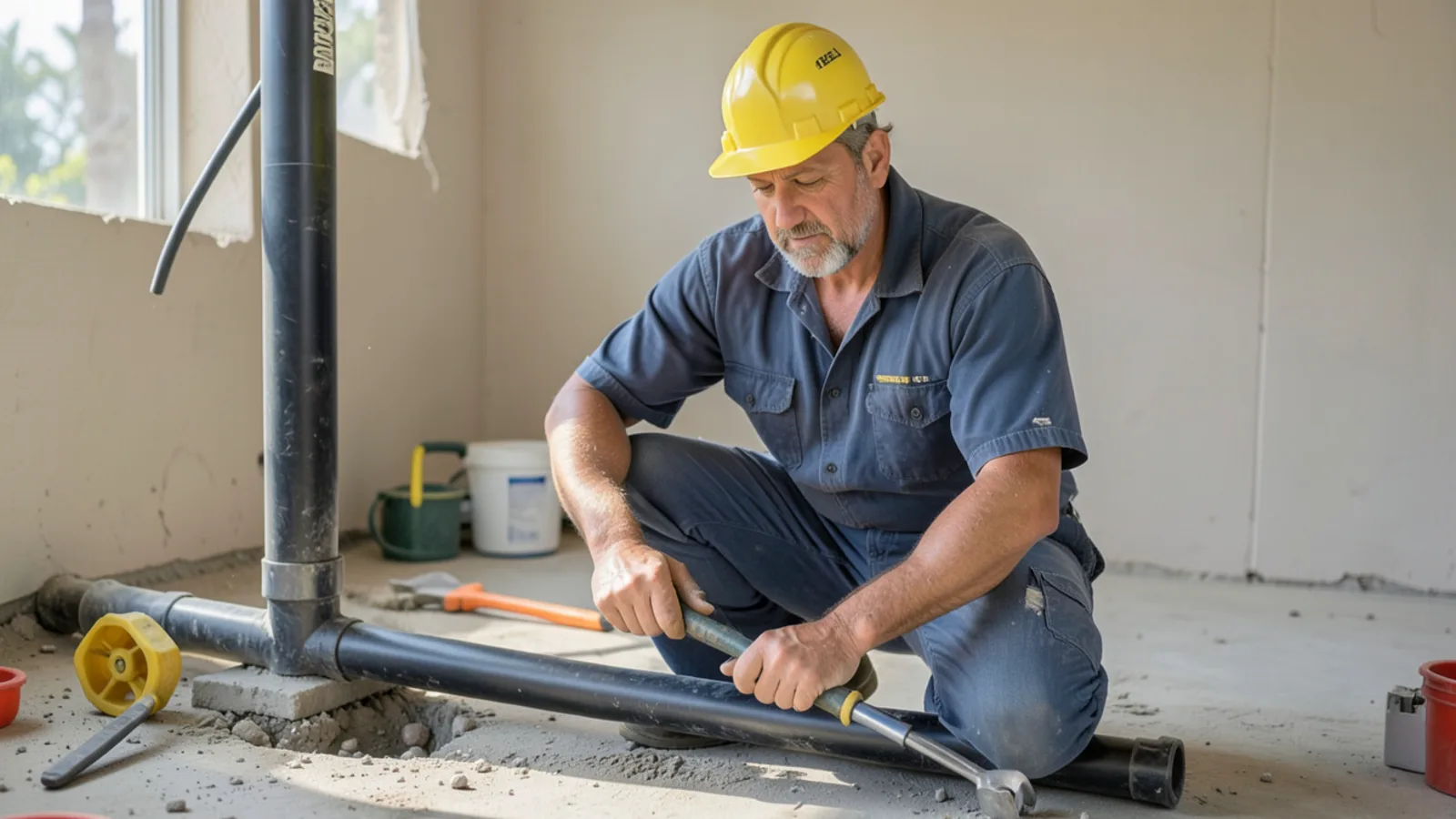
When residential water pipes suffer recurring pinhole leaks or internal corrosion, a comprehensive whole-home repipe permanently solves the problem. Operating from 685 E Grand Blvd, our licensed C-36 technicians engineer modern overhead piping systems designed to last over 50 years. Every repiping project includes: (1) Pre-construction architectural mapping and plumbing fixture load calculations; (2) Complete replacement of all domestic hot and cold water distribution lines with Uponor ProPEX PEX-a or heavy-wall Type L copper; (3) Overhead attic routing and drop-wall installation that completely abandons failing under-slab pipes; (4) Master distribution manifold installation with dedicated zone isolation valves; (5) New quarter-turn solid brass angle stops and braided stainless steel supply lines at every fixture; (6) Washing machine outlet box and refrigerator ice-maker valve upgrades; (7) 100 PSI pneumatic air hold pressure testing witnessed by City of Corona inspectors; (8) Professional multi-coat drywall patching, texture matching, and complete worksite cleanup.
When recurring pipe repairs signal it is time to repipe
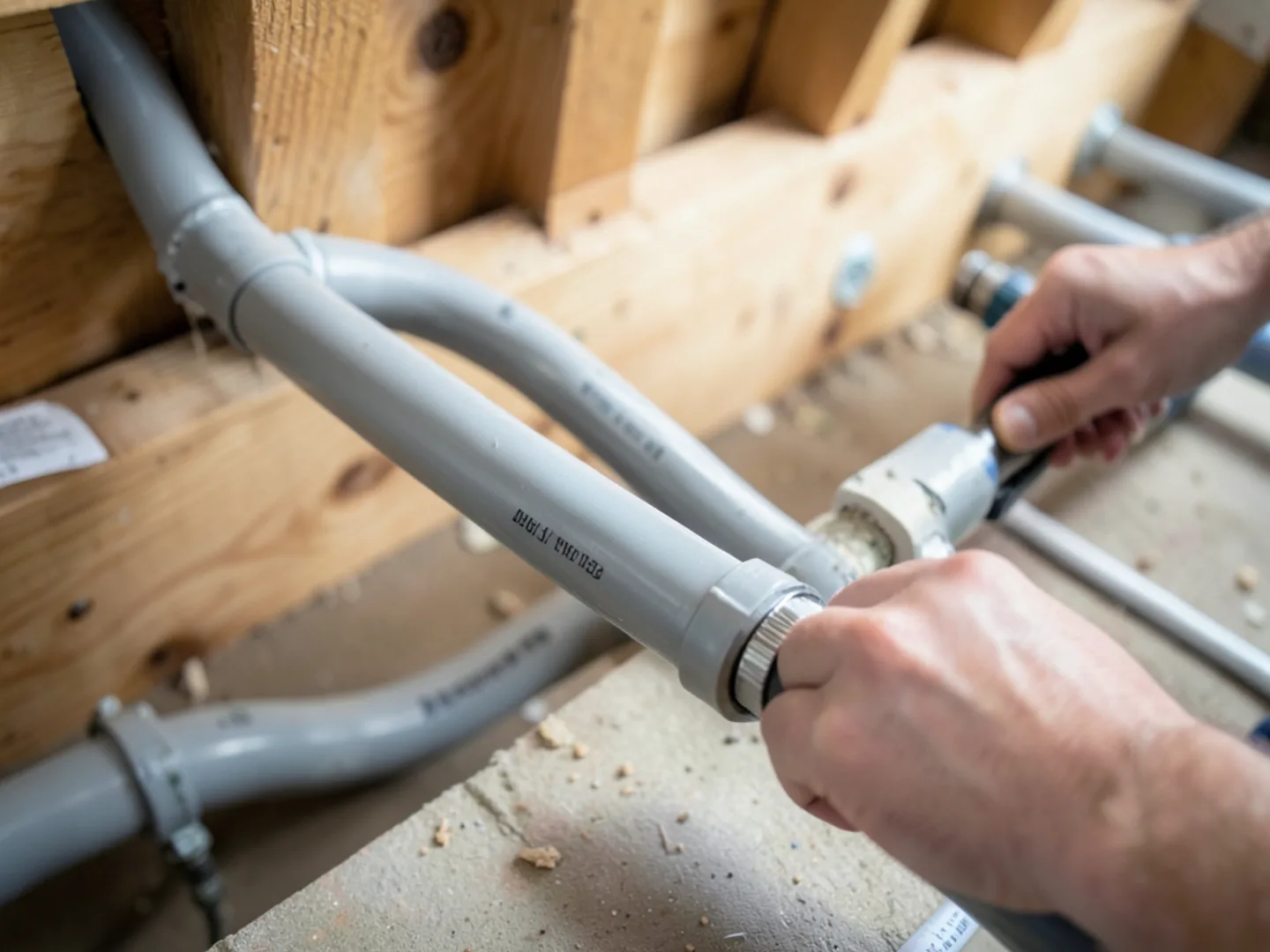
Homeowners who experience two or more pinhole leaks within an 18-month span face an inescapable engineering reality: their domestic piping system has reached the end of its useful service life. Performing localized spot repairs simply solders a stiff brass coupling onto deteriorating thin copper, redirecting hydraulic water hammer downstream to blow out the next weakest section of pipe. Continuing to patch isolated leaks leads to repeated drywall damage, ruined hardwood flooring, and soaring homeowner insurance deductibles. In addition, homes with older galvanized steel pipes experience internal rust tuberculation that chokes municipal water pressure down to a trickle and produces discolored, metallic-tasting tap water. A planned whole-home repipe eliminates water damage anxiety, restores strong balanced water pressure, and protects your property equity.
Why 1980s and 1990s Corona homes suffer copper line failures
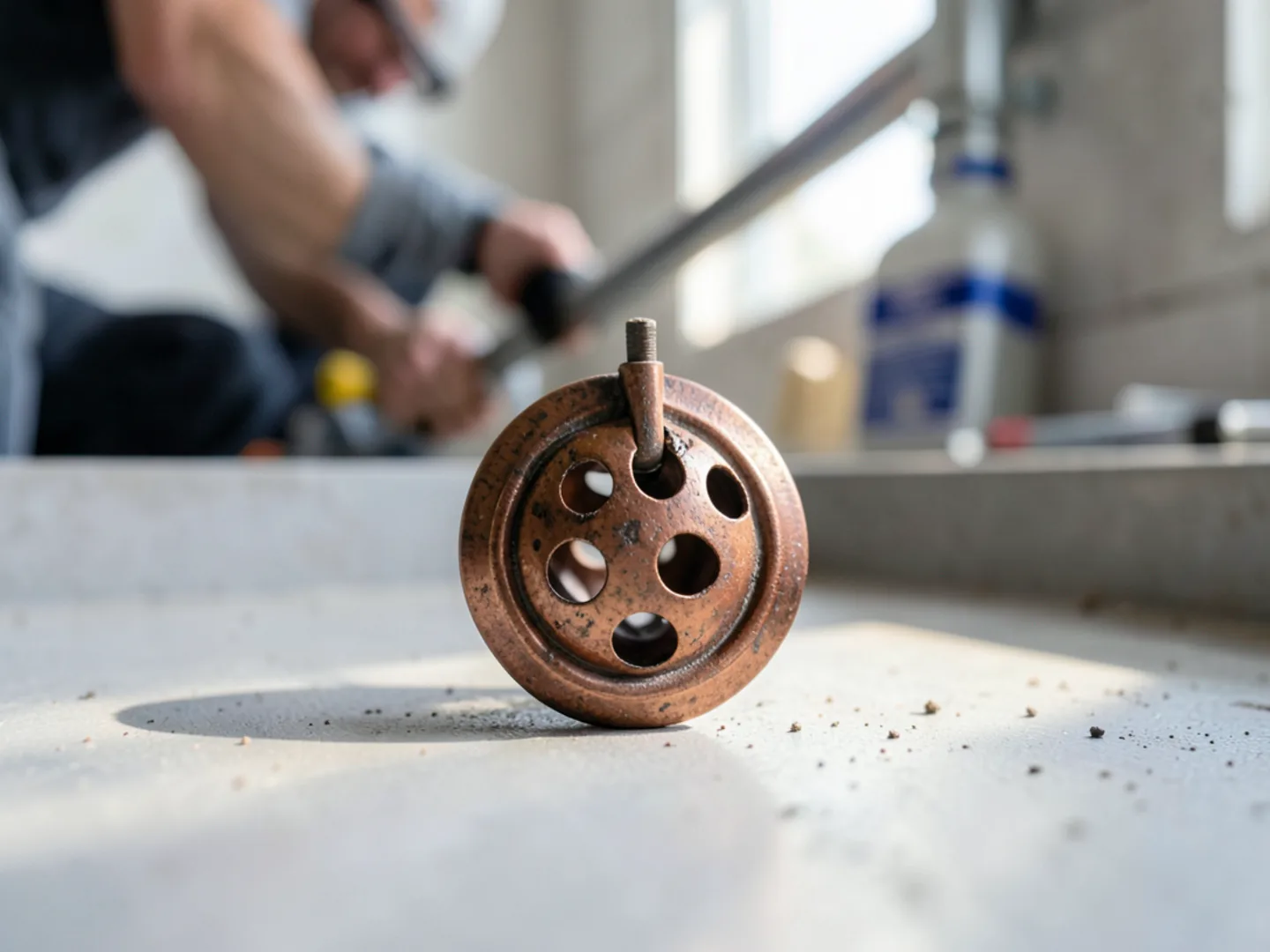
During Corona's massive housing development boom between 1980 and 2000 across North Corona, Corona Hills, and Sierra del Oro, tract home builders installed thousands of miles of thin-walled Type M copper tubing. Over 25 to 40 years of continuous service, these pipes suffer severe degradation from local water conditions: Treated municipal water supplied by the City of Corona Department of Water and Power (DWP) contains disinfection byproducts, chloramines, and elevated mineral hardness (12 to 22 GPG). Furthermore, residential street pressures in elevated hillside neighborhoods routinely exceed 90 to 120 PSI. High water velocities create internal hydraulic turbulence that scrubs away the pipe's natural protective copper oxide patina, resulting in microscopic pinholes that weep pressurized water inside stud bays and beneath concrete foundations.
Comparing Uponor PEX-A versus Type L copper for Corona homes
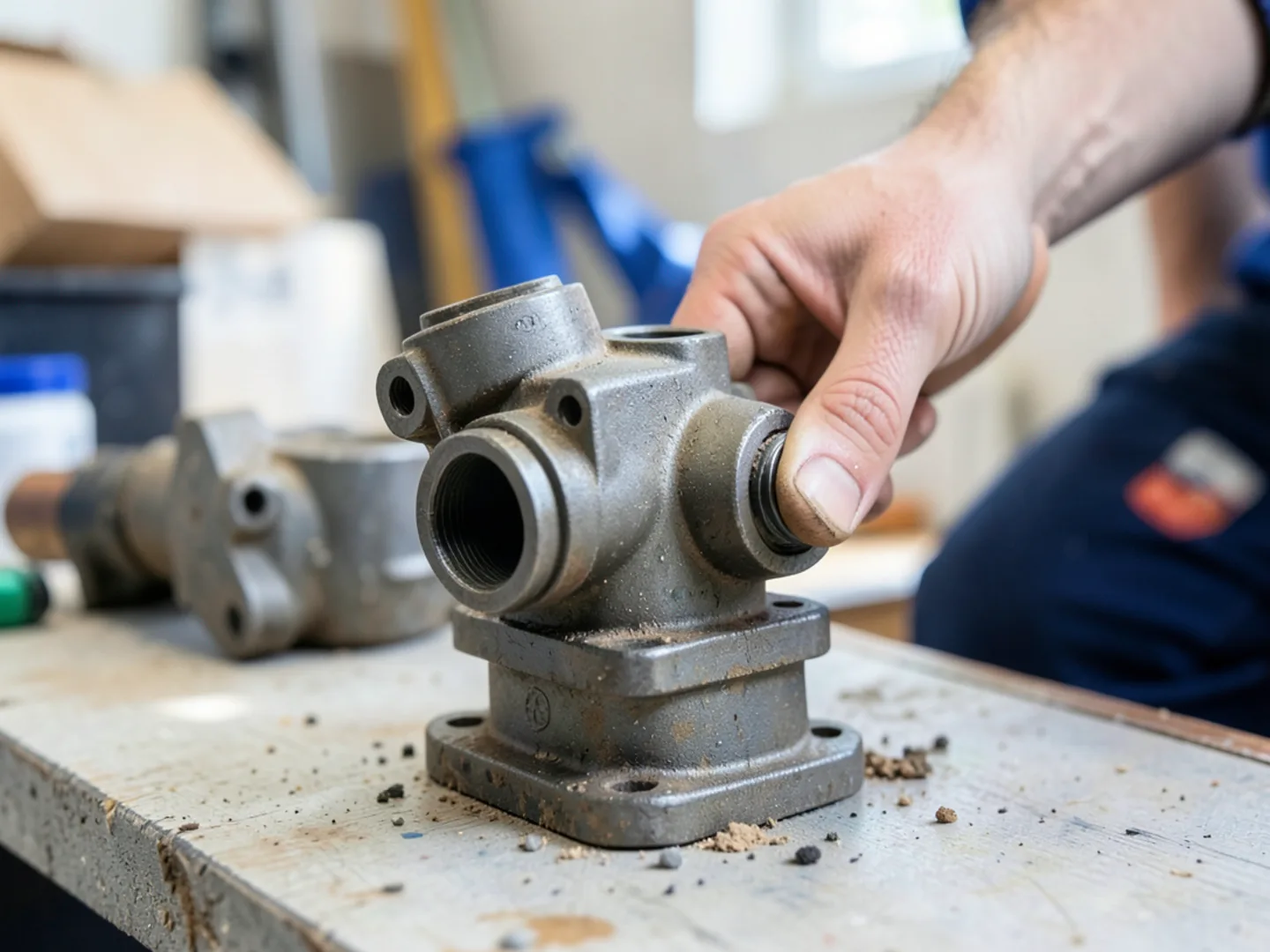
When designing a whole-home repipe, our technicians help homeowners select the ideal piping material for their property: Uponor ProPEX PEX-a (Cross-Linked Polyethylene) is the leading modern repipe material. Manufactured using the Engel thermal cross-linking method, PEX-a features remarkable shape memory, achieving a cross-linking degree exceeding 85% and expanding up to three times its diameter without bursting during cold snaps or seismic ground movement. PEX-a is 100% immune to pitting corrosion, scale buildup, and chloramines. Its flexible coils allow continuous pipe runs from attic manifolds down through wall bays with zero hidden fittings behind drywall, utilizing ASTM F1960 cold-expansion fittings that grow stronger over time as the tubing contracts around the fitting body. For homeowners who prefer traditional metal piping, we install heavy-wall Type L hard-drawn copper. Featuring 50% thicker pipe walls than builder-grade Type M copper, Type L copper is joined using flame-free Viega ProPress mechanical press fittings equipped with EPDM sealing elements, providing exceptional structural rigidity and fire resistance without open soldering flames.
Our three-day whole-home repiping workflow
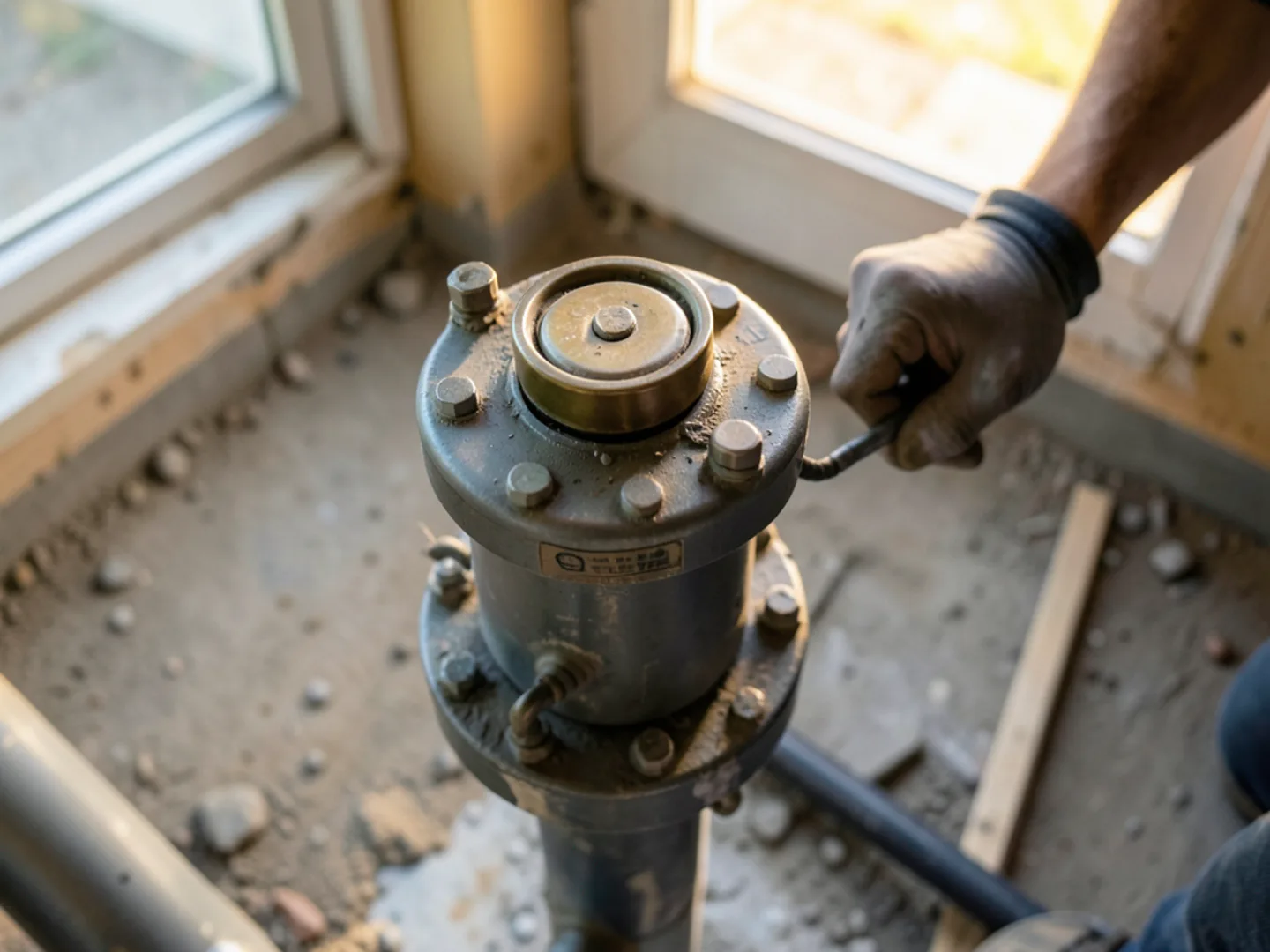
Our specialized crews complete full residential repipes in three organized days while keeping your home fully functional: Day 1: Site Protection and Structural Mapping. We lay heavy neoprene runners over flooring, cover furnishings with clean plastic sheeting, and make small, precise 6x6-inch drywall access openings. Day 2: Overhead Routing and Fixture Drops. We route continuous PEX-a hot and cold trunks through attic framing, drop lines down inside interior wall bays, and connect new solid brass quarter-turn shutoff valves. Water is restored to your home by 5:00 PM each working day. Day 3: Air Testing, City Inspection, and Wall Restoration. We pressurize the new plumbing system to 100 PSI with air, coordinate the on-site inspection with City of Corona building officials, complete the municipal water tie-in, and apply multi-coat drywall patches with texture matching.
California plumbing code standards and Corona permit inspections
All whole-home repipes in Corona must conform strictly to California Plumbing Code (CPC) Title 24 Part 5, Chapter 6 standards and California Energy Code Title 24 Part 6. CPC Section 608.2 specifically mandates that whenever static municipal water supply pressure exceeds 80 PSI, an approved pressure reducing valve with an integral strainer must be installed to protect domestic fixtures from hydraulic shock. Under California energy conservation regulations, all domestic hot water distribution lines routed through unconditioned attic spaces or exterior wall cavities must be fully insulated with closed-cell elastomeric thermal insulation carrying a minimum thermal resistance rating of R-3 to R-4. This preserves hot water temperatures and speeds delivery to bathroom fixtures. In addition, horizontal PEX piping must be supported every 32 inches with specialized suspension clips to prevent sagging and water hammer. Our licensed C-36 contractors manage all permit filings through the City of Corona eTRAKiT portal, conduct the required 100 PSI pneumatic air hold test, and secure official municipal inspection signoffs.
Drywall patching and texture matching excellence
A high-quality repipe should leave your home looking pristine. Our experienced finishing technicians use surgical drywall saws to create clean rectangular openings, keeping sheetrock cuts to an absolute minimum. Once the City of Corona inspector signs off on the plumbing pressure test, our drywall crew installs solid wood backing, screws in new drywall panels, and applies three successive coats of fast-setting joint compound with fine sanding. We carefully duplicate your existing wall texture—whether orange peel, knockdown, or smooth hand-troweled finish—leaving surfaces ready for paint.
Commercial diagnostic equipment carried on our mobile service fleet
Executing a whole-home repipe cleanly requires commercial tooling. Our service fleet dispatched from 685 E Grand Blvd carries Milwaukee M12 and M18 ProPEX expansion tools for installing Uponor engineered polymer fittings, Viega ProPress hydraulic tools for copper installations, digital pneumatic test manifolds, and commercial HEPA-filtered dust collection systems. Having complete rolling warehouses stocked with PEX-a coils, Type L copper, and brass valves ensures on-time project completion.
Need plumbing service in Corona or surrounding communities?
Our central dispatch is stationed on East Grand Boulevard. Whether you are dealing with an urgent leak in South Corona, need sewer diagnostics in Norco, or require water heater replacement in Eastvale, our licensed technicians arrive prepared with complete equipment rigs. Read more about our overall plumber in Corona CA services, or contact our shop at (207) 419-2600.