
What our tankless water heater services include
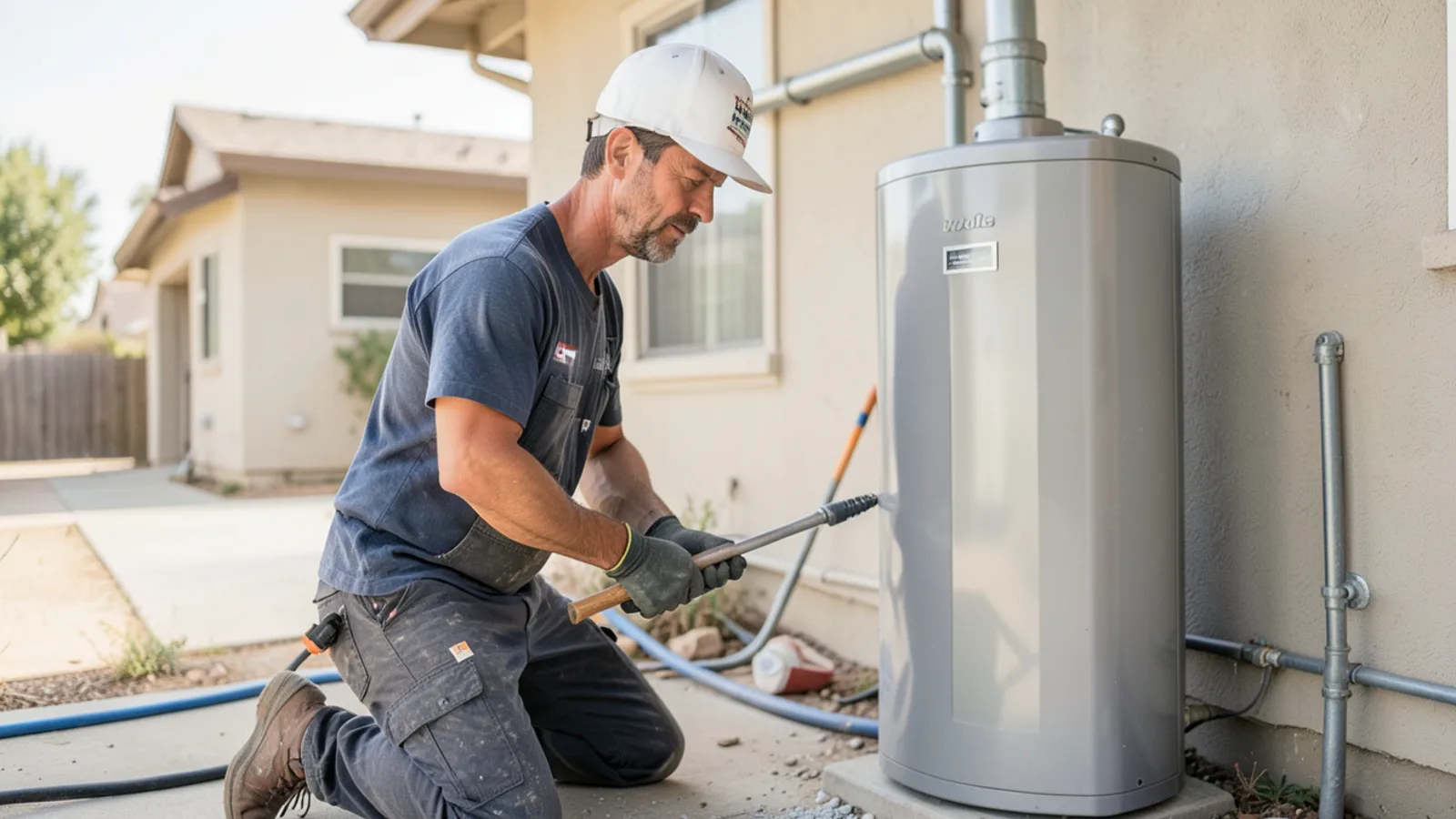
Transitioning to modern on-demand water heating delivers continuous hot water and substantial energy savings when properly engineered. Our licensed C-36 technicians provide end-to-end tankless conversions, factory maintenance, and diagnostic repairs across Corona. Every tankless service visit includes: (1) Household hot water demand sizing and simultaneous fixture flow calculations; (2) Natural gas delivery pipe capacity analysis from the SoCalGas meter manifold; (3) High-efficiency condensing tankless installations from industry leaders including Navien, Rinnai, and Noritz; (4) Direct-vent dual-pipe or concentric polypropylene venting through exterior walls or roof flashings; (5) Acidic condensate neutralization trap assembly protecting residential drainage pipes; (6) Annual virgin organic descaling flushes through isolation service valves; (7) Internal recirculation pump integration for immediate hot water delivery; (8) Complete City of Corona Building Division eTRAKiT permitting and municipal inspection signoff.
Why Corona homeowners are converting to condensing tankless water heaters
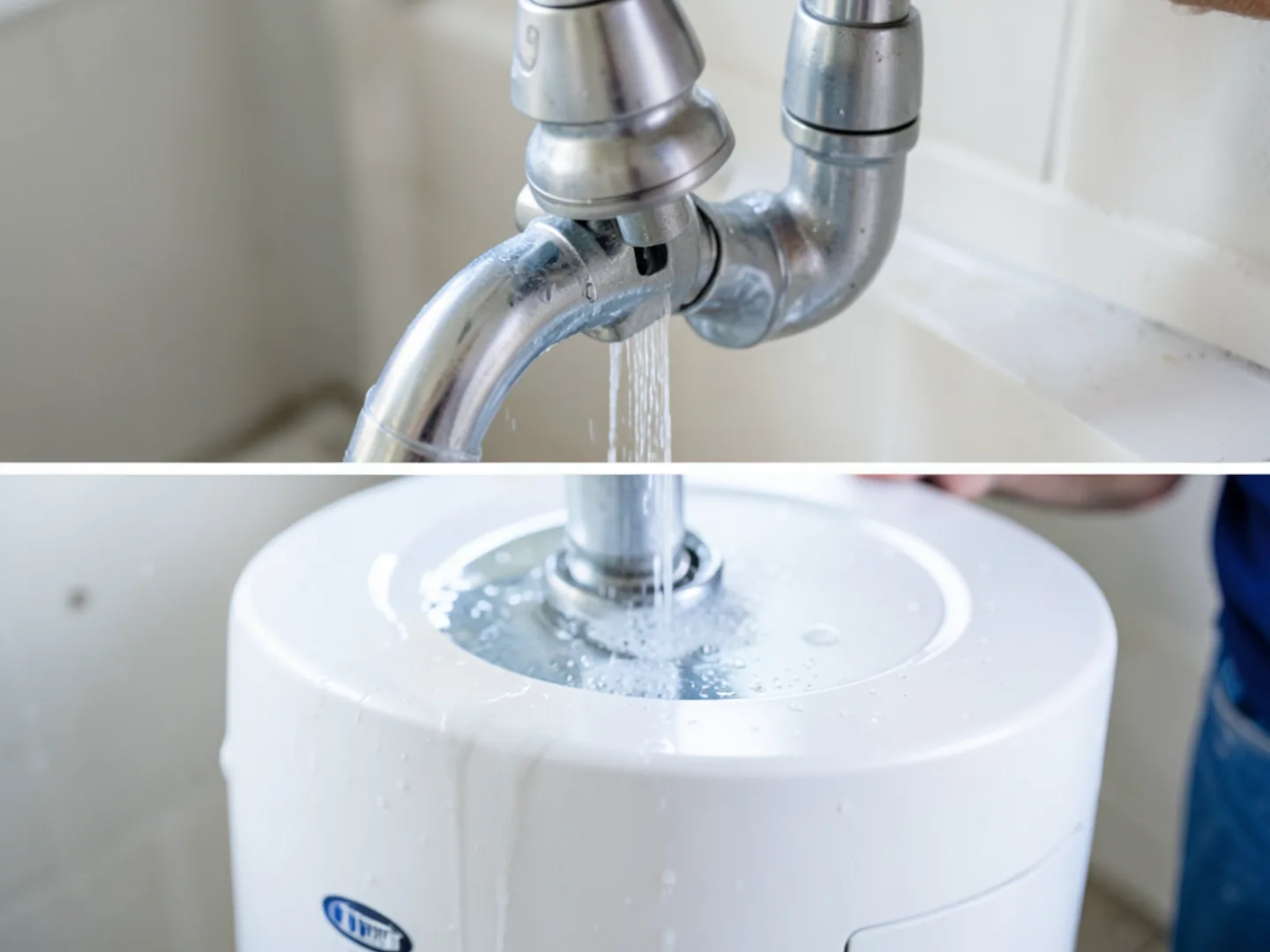
Traditional storage tank water heaters continually reheat 50 gallons of standing water 24 hours a day, radiating standby thermal loss into hot garages during Inland Empire summers where garage temperatures routinely exceed 110 degrees Fahrenheit. High-efficiency condensing tankless water heaters eliminate storage tanks entirely, activating modulating gas burners only when an indoor hot water tap is opened. By capturing residual heat from exhaust gases through secondary stainless steel heat exchangers, condensing units achieve energy efficiency ratings up to 0.96 Uniform Energy Factor (UEF). This reduces residential natural gas consumption by 30% to 40% while delivering endless continuous hot water flow rates up to 9.8 to 11.2 gallons per minute, easily accommodating back-to-back morning showers, laundry cycles, and dishwasher runs. In addition, wall-mounted tankless units free up approximately 16 square feet of valuable garage floor space and feature operating lifespans exceeding 20 years.
Gas supply infrastructure and combustion air venting requirements
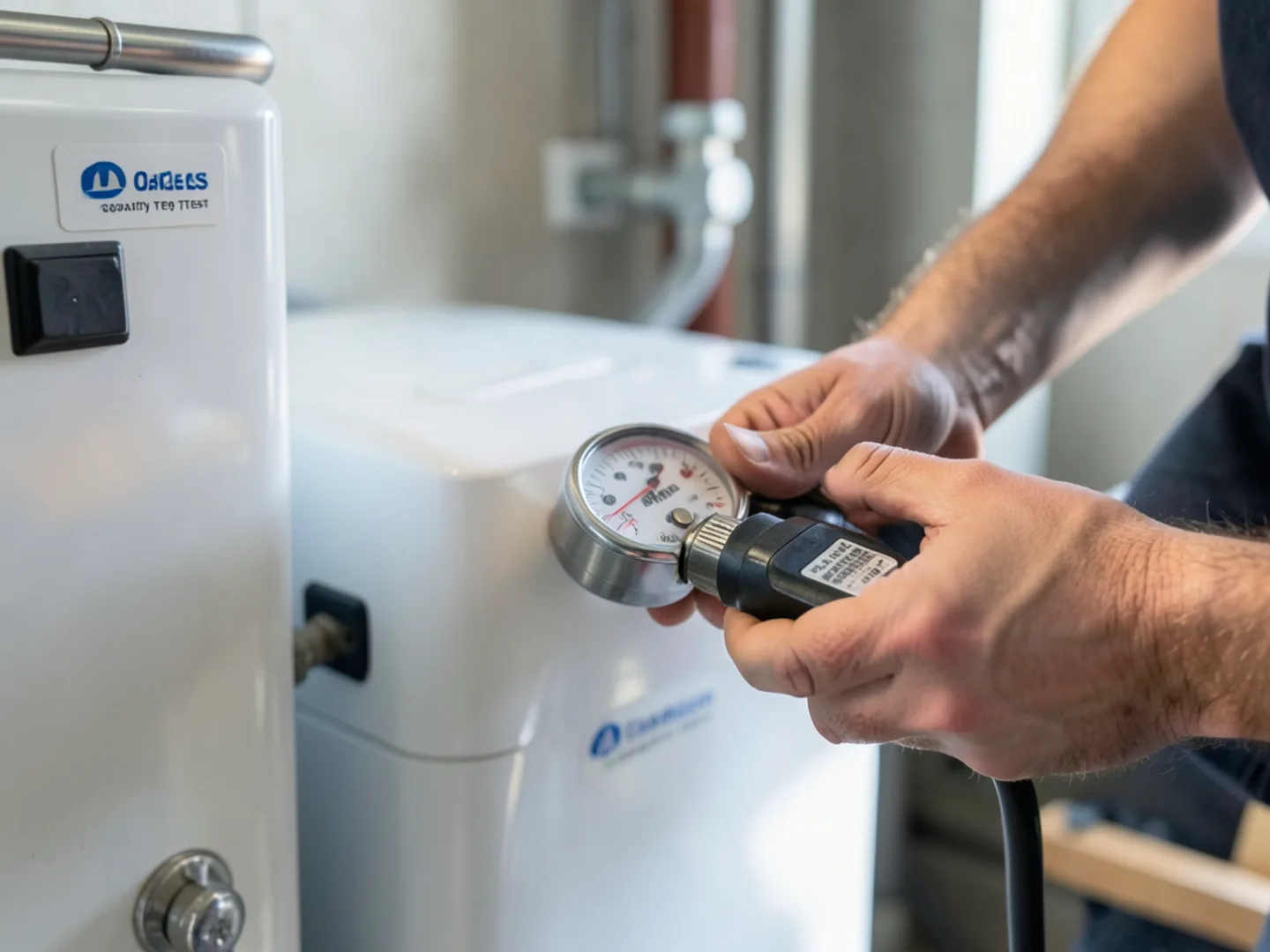
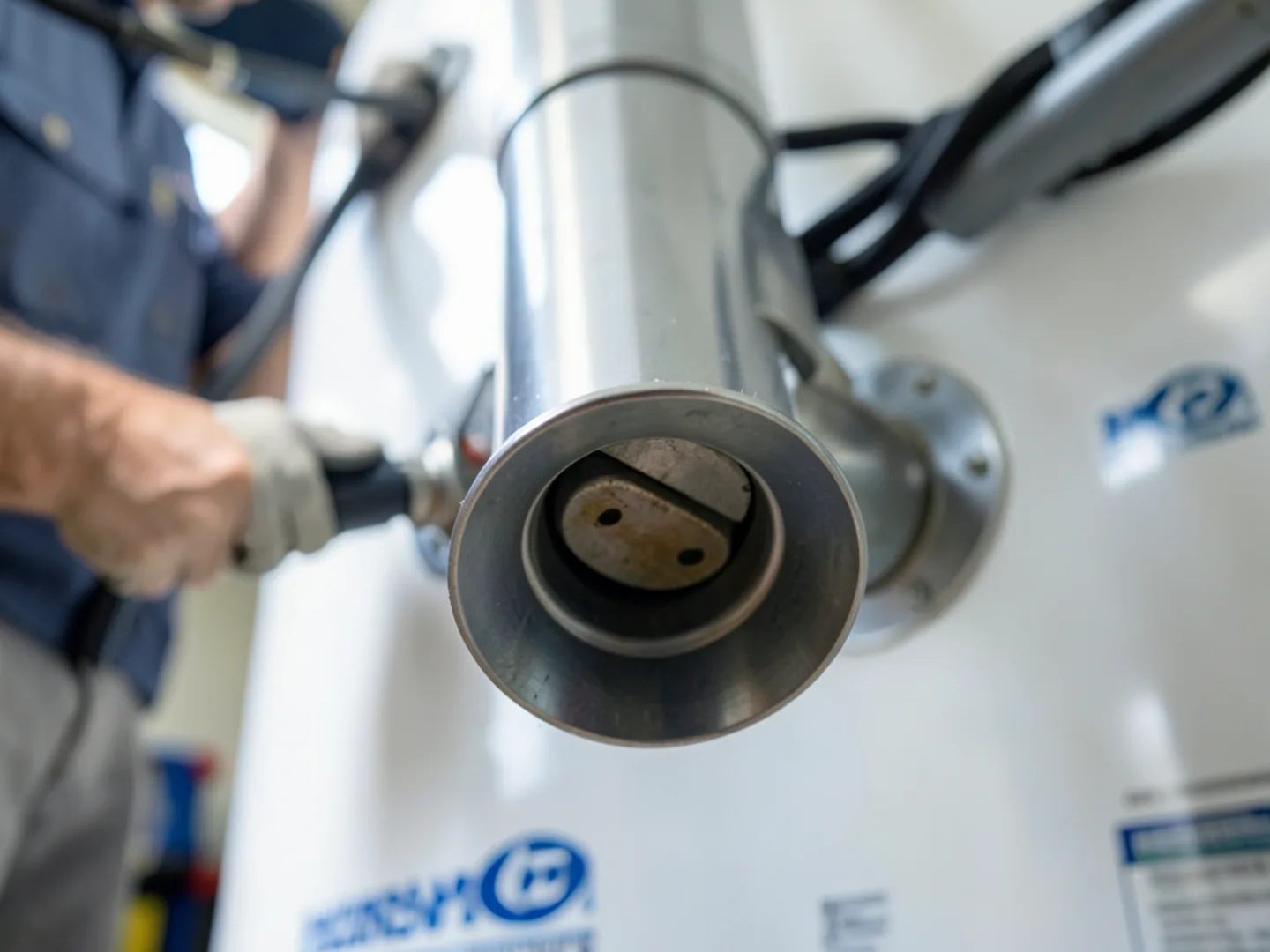
Converting from an atmospheric tank water heater consuming 40,000 BTUs to an on-demand tankless unit firing at 160,000 to 199,000 BTUs requires precise fuel and ventilation engineering. Our technicians evaluate your existing SoCalGas residential meter index rating (such as a standard 250 CFH or high-capacity 400 CFH meter) and calculate total connected appliance load—including central furnaces, gas ranges, clothes dryers, and pool heaters. Because a 199,000 BTU burner demands high gas volume, older half-inch gas supply lines must typically be upsized to dedicated three-quarter-inch or one-inch Schedule 40 black iron pipe running directly from the meter manifold. For combustion ventilation, condensing units produce low-temperature acidic flue gases that cannot share old metal B-vent chimneys. We install dedicated Category IV polypropylene or schedule 40 solid-core PVC/CPVC direct-vent piping through exterior walls, drawing clean outside air for combustion while safely venting exhaust gases.
Annual descaling protocol for Corona hard water scale management
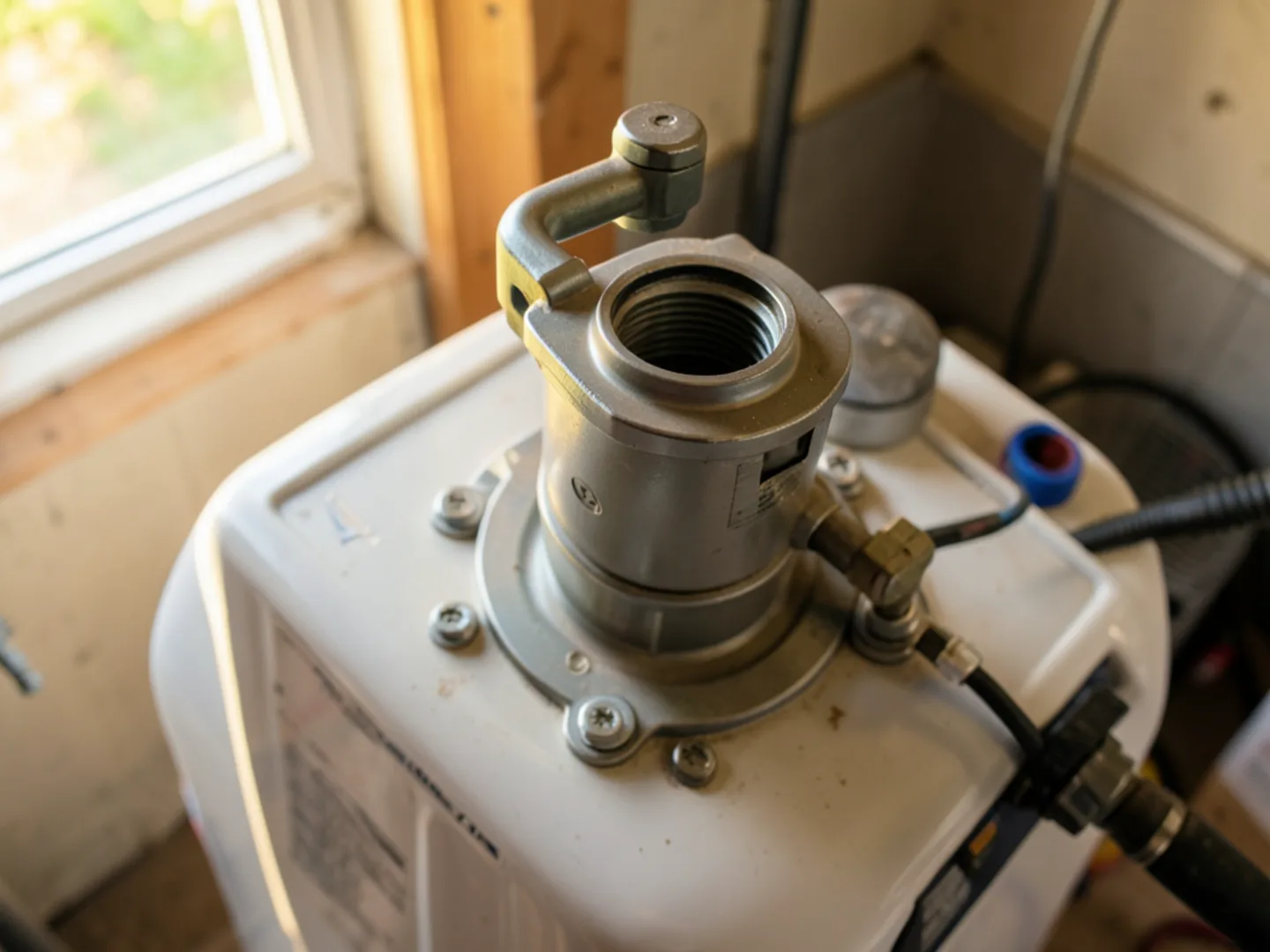
Corona Department of Water and Power tap water contains elevated mineral concentrations of 12 to 22 grains per gallon of total hardness. In tankless water heaters, cold tap water passes through narrow heat exchanger passages heated to high temperatures, triggering rapid precipitation of dissolved calcium and magnesium carbonate onto copper and stainless steel fins. Over 12 to 18 months, this calcified scale creates a thermal barrier that forces burners to fire longer, restricts water flow, and eventually trips electronic overheating error codes. To maintain optimal efficiency and protect manufacturer warranties, our technicians perform annual descaling flushes: we isolate the unit using dedicated 3/4-inch webstone service valves, connect a submersible recirculation pump, and circulate a food-grade non-toxic organic descaling solution through the heat exchanger for 60 to 90 minutes. This dissolves hardened calcium deposits completely without damaging internal metallic alloys.
Troubleshooting diagnostic error codes and sensor failures
Modern tankless water heaters feature digital diagnostic displays that report precise error codes when operational parameters deviate from factory standards. Our technicians carry specialized diagnostic testing tools and factory replacement parts to address common performance failures: (1) Ignition and Flame Failure (Navien E003, Rinnai Code 11): Frequently triggered by carbon oxidation on flame rods, low gas delivery pressure, or blocked intake air filters. (2) Overheating and Thermal Limiter Trips (Navien E016, Rinnai Code 14): Caused by heavy calcium scale buildup inside the secondary heat exchanger or defective thermistors. (3) Low Water Flow Errors: Caused by mineral debris clogging the cold water inlet mesh filter or failing magnetic water flow control turbines. We carry genuine OEM circuit boards, igniters, flow sensors, and gas valves to complete repairs in a single visit.
Recirculation loops and instant hot water solutions
While tankless water heaters deliver endless hot water, they do not change the physical pipe distance between the garage heater and distant second-story master bathrooms. In sprawling multi-story Corona homes, waiting 60 to 90 seconds for hot water wastes up to 30 gallons of clean water daily. To solve this delivery delay, we install dedicated hot water recirculation systems. Units equipped with built-in recirculation pumps (such as the Navien NPE-240A2 ComfortFlow series) utilize intelligent learning algorithms or push-button demand controllers. In homes without a dedicated return line, we install under-sink thermal crossover valves in the furthest bathroom, transforming the existing cold water line into a temporary return path to deliver hot water to faucets in under five seconds.
Cost variables for tankless retrofits versus direct replacements
The investment required for tankless water heating depends on the scope of mechanical retrofitting needed: (1) Direct Replacement: Swapping an existing older tankless unit for a modern high-efficiency model requires standard plumbing connections and minimal structural changes. (2) Tank-to-Tankless Conversions: Converting from a standard tank involves installing a dedicated 120-volt electrical outlet, upsizing natural gas supply piping, routing twin-pipe direct venting through exterior framing, and installing condensate drainage lines. (3) Equipment Selection: Premium condensing units with integrated recirculation pumps carry higher equipment costs offset by reduced water waste and eligibility for local SoCalGas energy efficiency rebates and federal tax credits.
California plumbing code compliance and Corona permit standards
All tankless water heater installations in Corona must conform strictly to California Plumbing Code (CPC) Title 24 Part 5, Chapter 5 and Chapter 8 standards, as well as Title 24 Part 6 energy efficiency regulations. Key compliance rules mandate that acidic condensate produced by high-efficiency condensing burners (which carries a low pH of 3 to 4) must pass through an approved limestone or marble chip neutralizing cartridge before discharging into residential ABS drainage systems, preventing pipe corrosion. Furthermore, our licensed C-36 contractors manage all required permit filings through the City of Corona eTRAKiT portal, setting up official gas pressure tests and coordinating on-site city mechanical inspections for final approval.
Need plumbing service in Corona or surrounding communities?
Our central dispatch is stationed on East Grand Boulevard. Whether you are dealing with an urgent leak in South Corona, need sewer diagnostics in Norco, or require water heater replacement in Eastvale, our licensed technicians arrive prepared with complete equipment rigs. Read more about our overall plumber in Corona CA services, or contact our shop at (207) 419-2600.