
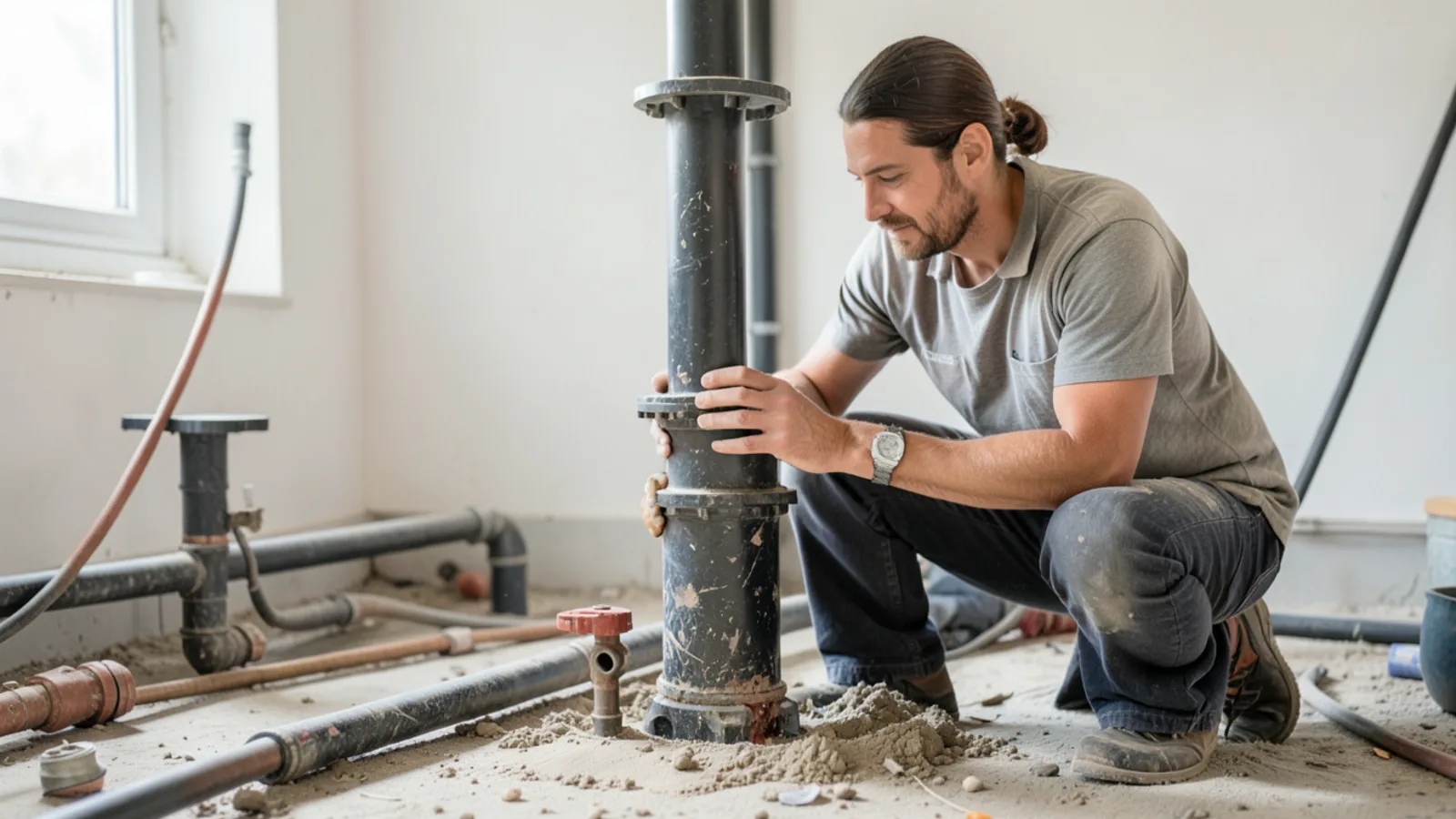
Answer first: the 10-minute emergency burst pipe response protocol
When a pressurized residential water pipe ruptures in your Corona home, every single second counts. A typical three-quarter-inch copper or PEX supply line operating at normal municipal pressure of 65 to 80 PSI discharges between twelve and twenty-two gallons of water per minute into your living space. In just five minutes, over one hundred gallons of water floods your interior framing, destroys hardwood or carpet, and saturates drywall ceiling assemblies.Executing this systematic ten-minute response protocol halts water intrusion and prevents catastrophic structural ruin:• Minutes 1 to 2: Mechanically isolate the incoming municipal water supply immediately at your property main shutoff valve or street meter box.• Minutes 3 to 4: Mitigate life-safety electrical hazards by cutting power to flooded rooms at your main electrical circuit breaker panel.• Minutes 5 to 6: Depressurize the household plumbing network by opening the lowest exterior garden hose spigot and upper-floor sink faucets.• Minutes 7 to 8: Protect your domestic water heater from dry-firing by adjusting burner controls to pilot or switching off breakers, and call our emergency dispatch team at (207) 419-2600.• Minutes 9 to 10: Record video and photographic evidence for insurance documentation, then initiate active water containment using squeegees, towels, and wet/dry vacuums.
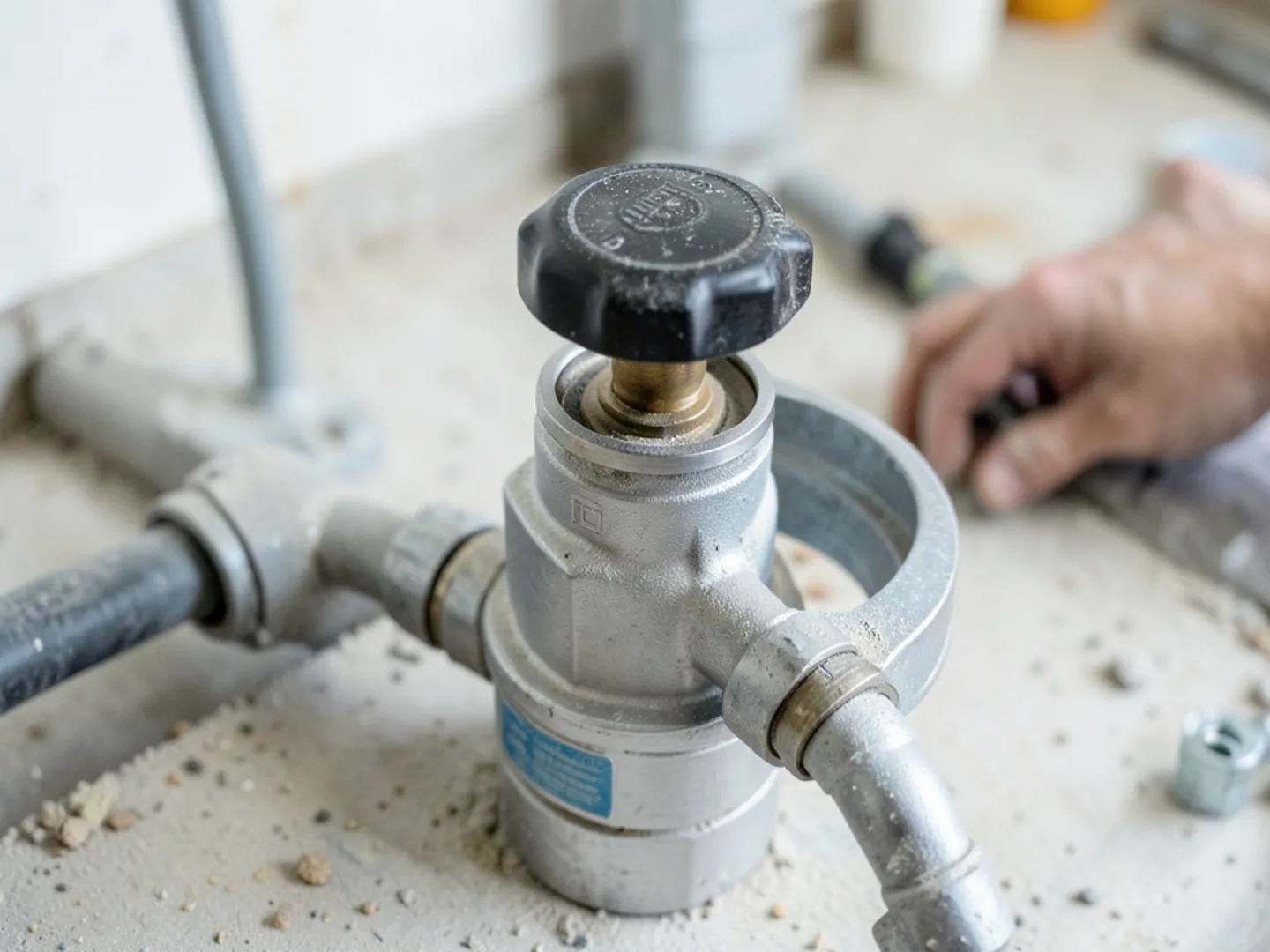
Minute 1 to 2: Mechanical isolation of the main water supply
The most common and destructive mistake homeowners make during an active pipe burst is wasting valuable minutes looking for mop buckets or towels while thousands of gallons continue flooding the home. Your singular objective during the first 120 seconds is to stop the flow of pressurized water at the source.Head immediately to your property primary water shutoff valve. In the majority of single-family homes throughout Corona, Eastvale, and Norco, this valve is situated on the exterior foundation wall where the municipal copper riser enters the residence, typically located directly below the front garden hose bib or inside the garage near the water heater.Identify the valve type and operate it properly:• Modern Ball Valve: Look for a straight brass handle. Rotate the lever ninety degrees until the handle is completely perpendicular to the water pipe. When perpendicular, the internal stainless steel ball blocks all incoming flow instantly.• Traditional Gate Valve: Look for a round brass wheel handle. Rotate the wheel clockwise repeatedly until it is firmly and completely seated. If the wheel resists turning or feels calcified, do not force it with pliers, as brittle brass stems can snap off inside the valve body.• Street Curb Meter Shutoff: If your private house valve is seized, missing, or inaccessible due to localized flooding, proceed immediately to the municipal water meter box positioned near the street curb or sidewalk. Remove the cast concrete lid using a slotted screwdriver or curb key. Locate the brass curb-stop valve on the street side of the meter. Using a standard five-way curb key or adjustable wrench, rotate the valve head clockwise one-quarter turn (ninety degrees) until the padlock eyelets align, halting all water entering your property line.
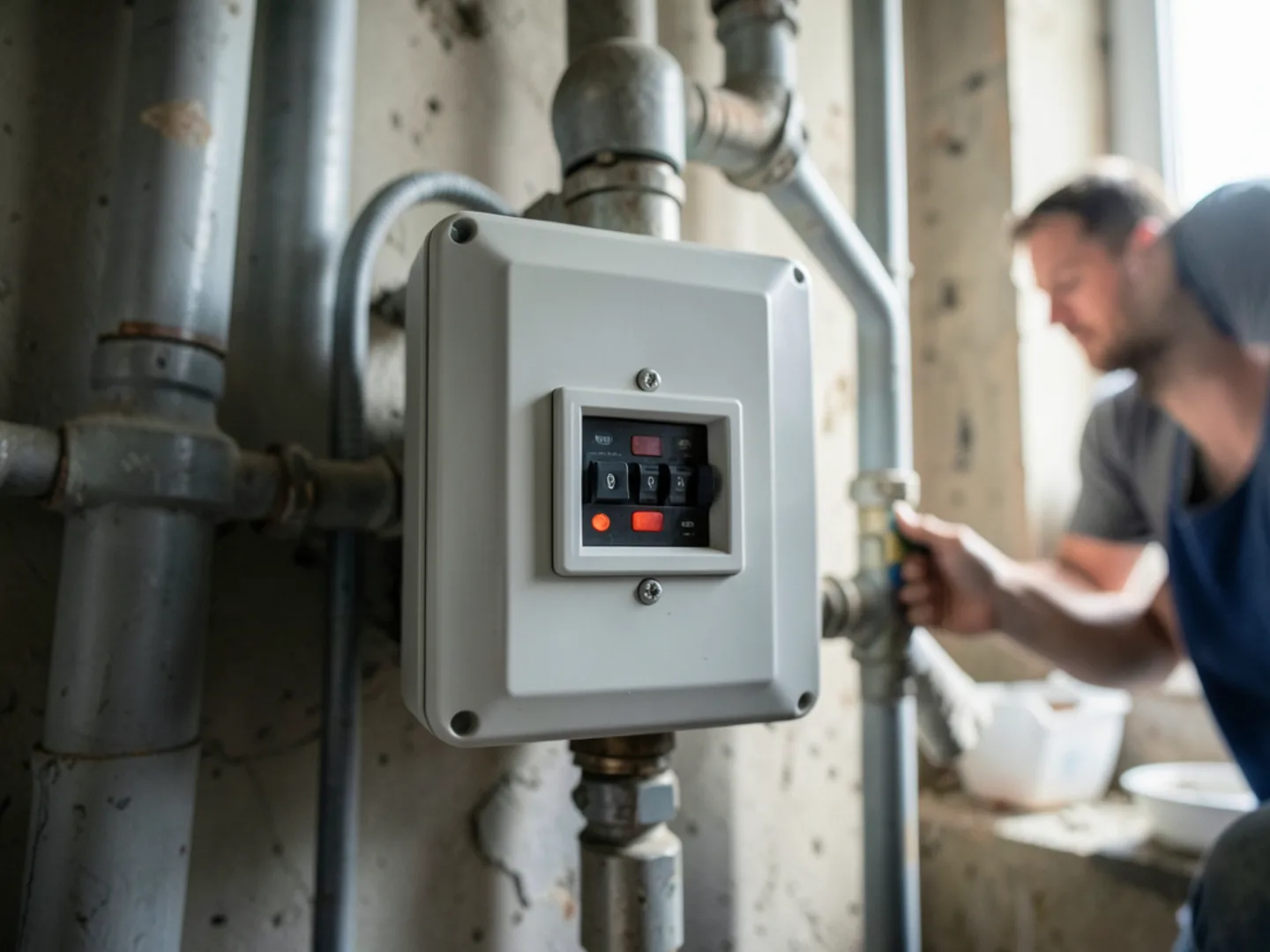
Minute 3 to 4: Electrical hazard mitigation and panel safety
Water is an effective conductor of electricity. When water from a burst pipe cascades through ceiling drywall, runs behind baseboards, or pools across flooring, it quickly contacts electrical switches, wall receptacles, floor outlets, and wiring junction boxes, creating an immediate danger of fatal electric shock and electrical arc fires.Once the water valve is closed, proceed immediately to your main electrical service panel to isolate affected circuits. Follow these strict safety precautions:If the electrical panel is located in a dry garage or on an exterior wall with clear, dry ground access, open the panel door and switch off the individual circuit breakers feeding the flooded rooms (such as downstairs living areas, kitchen, or bathrooms). If water has spread widely across the ground floor, flip the main 200-amp service disconnect breaker to cut electricity to the entire building.Never enter standing water to reach an electrical breaker panel. If water has pooled around the electrical service panel, or if water is visibly dripping directly out of the panel enclosure, stay completely clear. Do not touch any metal surfaces. Evacuate the immediate area and call Southern California Edison or emergency services for an immediate utility service disconnect.
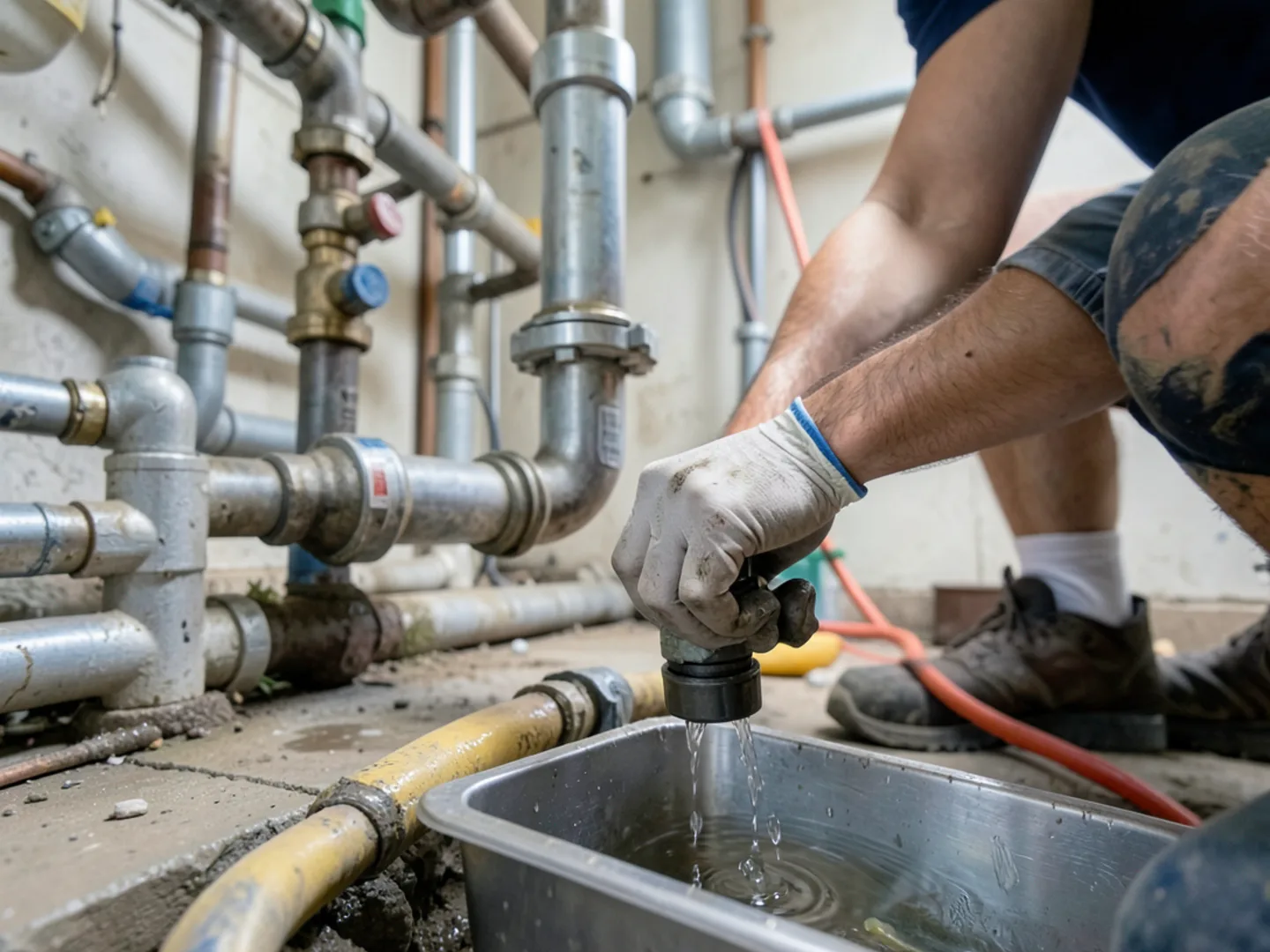
Minute 5 to 6: System depressurization and gravitational drainage
Closing the main water shutoff valve stops new municipal water from entering the building, but it does not instantly empty your plumbing lines. In a multi-story or single-story home, several dozen gallons of pressurized water remain trapped inside vertical wall risers and horizontal distribution manifolds above the leak point.If left unaddressed, this trapped volume continues discharging out of the pipe rupture due to gravity. To stop this residual drainage, you must deliberately break the hydraulic siphon and redirect the water outdoors:First, step outside to the lowest garden hose spigot on your property and rotate the handle wide open. Next, go inside and open both hot and cold sink faucets on the highest floor of your home. Opening the upper-floor faucets introduces atmospheric air into the top of the plumbing system, breaking the vacuum seal. The standing water inside your walls immediately reverses direction and drains harmlessly out of the exterior garden spigot onto your lawn or driveway, rather than continuing to pour through your ceiling or interior walls.
Minute 7 to 8: Water heater protection and emergency dispatch
Depressurizing your household water lines creates an unexpected secondary danger: your water heater tank can siphon backward or lose internal water levels. If a gas water heater burner fires while the tank is partially empty, or if electric heating elements are energized without water contact, the dry-firing condition will melt heating elements, crack the internal porcelain glass lining, and ruin the appliance in minutes.Take fifteen seconds to safeguard your water heater:• For Natural Gas Water Heaters: Rotate the thermostat temperature dial clockwise to the lowest setting, then turn the main gas control knob to PILOT or OFF.• For Electric or Hybrid Heat Pump Water Heaters: Go to your electrical service panel and switch off the dedicated double-pole 30-amp breaker labeled Water Heater.Next, call our local Corona emergency plumbing dispatch desk at (207) 419-2600. Clearly inform the dispatcher: (1) your specific address in Corona or surrounding communities, (2) the confirmed location of the leak (such as second-floor ceiling, master bathroom wall, or garage riser), (3) the piping material if known (copper, PEX, or galvanized iron), and (4) confirmation that you have successfully closed the main water shutoff. Our fully stocked service vehicles dispatch from 685 E Grand Blvd, arriving with certified pipe cutters, replacement Uponor PEX-a tubing, Viega ProPress zero-flame copper couplings, and commercial extraction equipment.
Minute 9 to 10: Insurance documentation and water containment
Before beginning cleanup, take three minutes to document the scene thoroughly. California homeowners insurance adjusters require verifiable evidence of the initial water line failure and the maximum extent of structural flooding to process your water damage claim efficiently.Use your smartphone to capture high-definition video and wide-angle photographs of the source rupture, standing water depths against baseboards, sagging ceiling drywall, wet carpeting, and damaged furniture or appliances. Do not discard any damaged personal items or cut sections of failed pipe until the insurance field adjuster has inspected them in person.Once documented, initiate active water containment:• If ceiling drywall is visibly sagging with trapped water, carefully puncture a half-inch drainage hole in the center of the lowest bulge using a screwdriver, positioning a five-gallon bucket directly beneath. Draining the pooled water prevents the entire saturated drywall ceiling sheet from collapsing under weight.• Use squeegees to push standing water out exterior doorways or into garage drains.• Extract remaining water from hard floors and carpets using a wet/dry shop vacuum.• Place aluminum foil or plastic food wrap beneath wooden furniture legs resting on wet carpets to prevent stain bleeding and wood swelling.
Emergency burst pipe checklist for Corona property owners
Keep this quick-action checklist accessible near your home electrical panel or water heater for instant reference during an emergency:1. Stop the Water: Turn main house ball valve 90 degrees or shut off the street meter curb stop.2. Cut Electrical Power: Switch off circuit breakers to wet areas; avoid standing water near electrical panels.3. Drain the System: Open lowest exterior garden hose bib and upper-level sink faucets to vent lines.4. Protect Water Heater: Switch gas control knob to PILOT or turn off electric water heater breaker.5. Call Emergency Plumber: Dial (207) 419-2600 for rapid local technician dispatch from Corona.6. Photograph Damage: Capture wide photos and video of all standing water, flooring, and wall damage.7. Relieve Ceiling Bulges: Poke small drainage holes in sagging drywall directly into buckets.8. Extract Standing Water: Use squeegees, towels, and wet vacuums; raise furniture above wet flooring.
Why pipes burst in Southern California and preventative upgrades
While homeowners in cold northern states associate burst pipes with winter freezing temperatures, pipe ruptures throughout the Inland Empire stem from entirely different mechanical causes.The primary contributor is excessive municipal water pressure. Municipal supply lines running from hillside municipal water storage tanks in foothill areas of Corona, South Corona, and Norco regularly deliver street pressure between 100 and 140 PSI. If your home pressure reducing valve (PRV) fails, this intense hydraulic force over-pressurizes aging copper pipe walls and brittle plastic fixture connectors, leading to sudden violent blowouts.Additional contributors include pitting corrosion from hard water chloramines wearing pinholes through copper piping, and aged rubber washing machine supply hoses degrading from constant pressure. Property owners can eliminate sudden rupture risks by: (1) installing a lead-free commercial PRV calibrated to 65–70 PSI under California Plumbing Code Section 608.2, (2) replacing rubber appliance hoses with braided stainless steel connectors featuring 1,500 PSI burst ratings, and (3) upgrading seized multi-turn gate valves to full-port brass quarter-turn ball valves for reliable emergency shutoff.
Need professional diagnostics or repairs in Corona?
Our technicians are stationed at 685 E Grand Blvd in Corona. Learn more about our complete plumber in Corona CA capabilities, or call our direct phone line at (207) 419-2600.