
Riverside Infrastructure & Utilities
Delivering expert plumbing across the City of Riverside
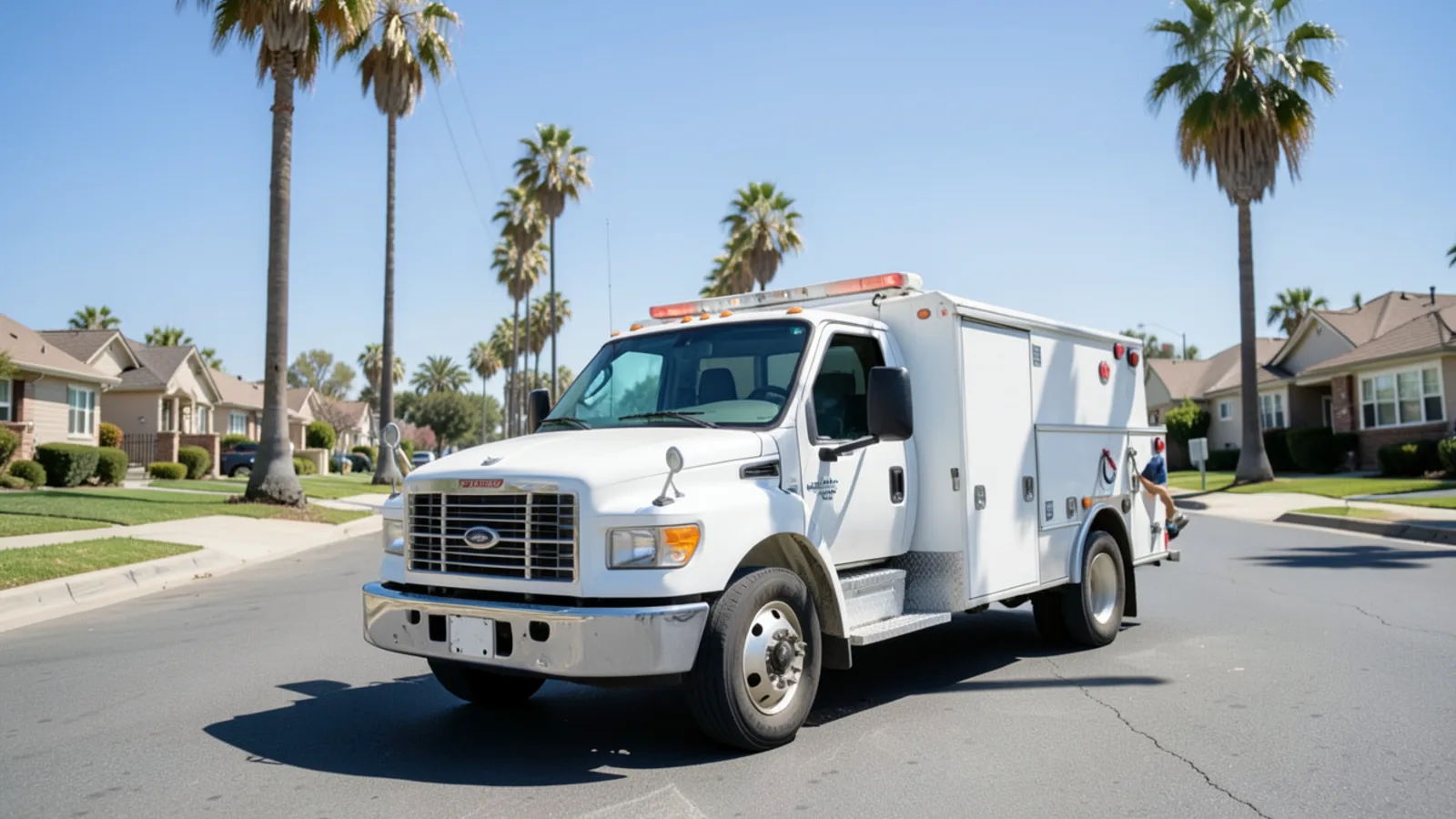
As the county seat and cultural core of the Inland Empire, Riverside encompasses over 81 square miles of diverse architecture and commercial enterprise. Bordering Corona immediately to the northeast, Riverside features neighborhoods with vastly different plumbing profiles: from early twentieth-century craftsman bungalows in the Wood Streets and historic citrus ranches along Victoria Avenue to mid-century properties in Arlington and modern subdivisions in Orangecrest and Canyon Crest. Dispatched from our central headquarters at 685 E Grand Blvd in Corona, our mobile plumbing units travel east via State Route 91 or Magnolia Avenue, reaching La Sierra in 12 to 15 minutes and Downtown Riverside in 20 minutes. We deliver exacting craftsmanship for residential restorations and commercial complexes.

Historic crawlspace plumbing in the Wood Streets and Downtown
Homes located in Riverside's historic heritage districts—notably the celebrated Wood Streets, Mount Rubidoux foothills, and downtown core—were constructed between 1910 and 1945 over raised perimeter foundation walls with unconditioned crawlspaces. These character-rich properties originally relied on threaded galvanized steel water supply lines or early uninsulated copper. Over decades of contact with treated municipal water, galvanized pipes accumulate severe interior rust tuberculation that chokes off water flow and causes brown water at bath spigots. Our technicians specialize in careful crawlspace underfloor work, replacing obsolete corroded supply piping with Uponor ProPEX PEX-a systems without disturbing original oak tongue-and-groove flooring or historic plaster walls.
Slab leak detection and reroutes in Orangecrest and La Sierra
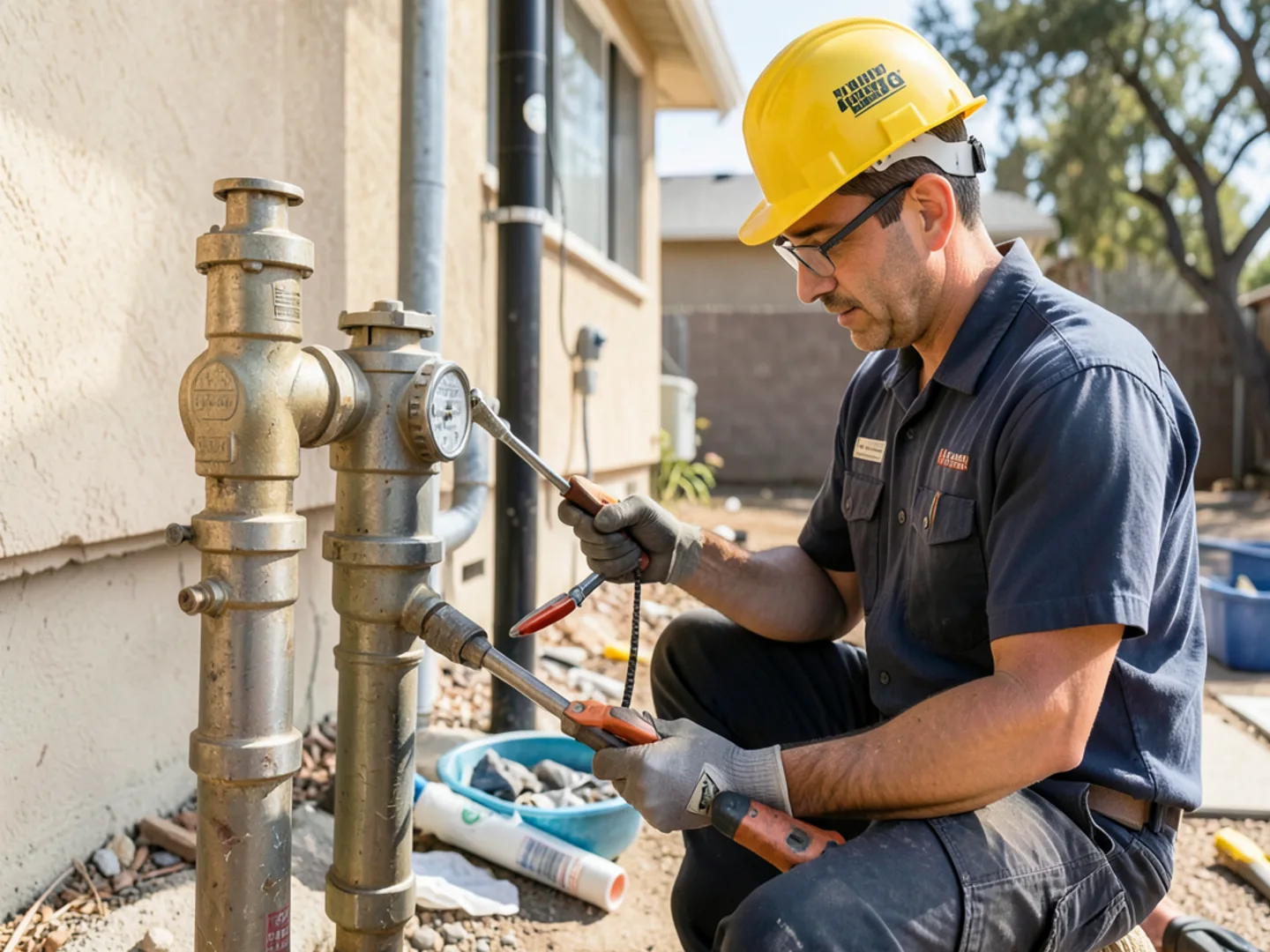
In contrast to historic downtown, suburban tracts built across Orangecrest, Mission Grove, and La Sierra from the 1980s through the early 2000s were constructed over monolithic concrete slab foundations. In these homes, soft copper domestic water pipes were laid directly below concrete slabs without protective sleeves. Over years of ground settlement in expansive clay soils, combined with thermal expansion friction, buried copper pipes develop pinhole slab leaks that produce warm floor tiles, hissing walls, or continuous water meter movement. We locate subterranean leaks using non-invasive ultrasonic acoustic sensors and FLIR thermal infrared cameras, executing clean overhead attic PEX reroutes that bypass damaged pipes without jackhammering interior living areas.
Water chemistry and softening under RPU and WMWD
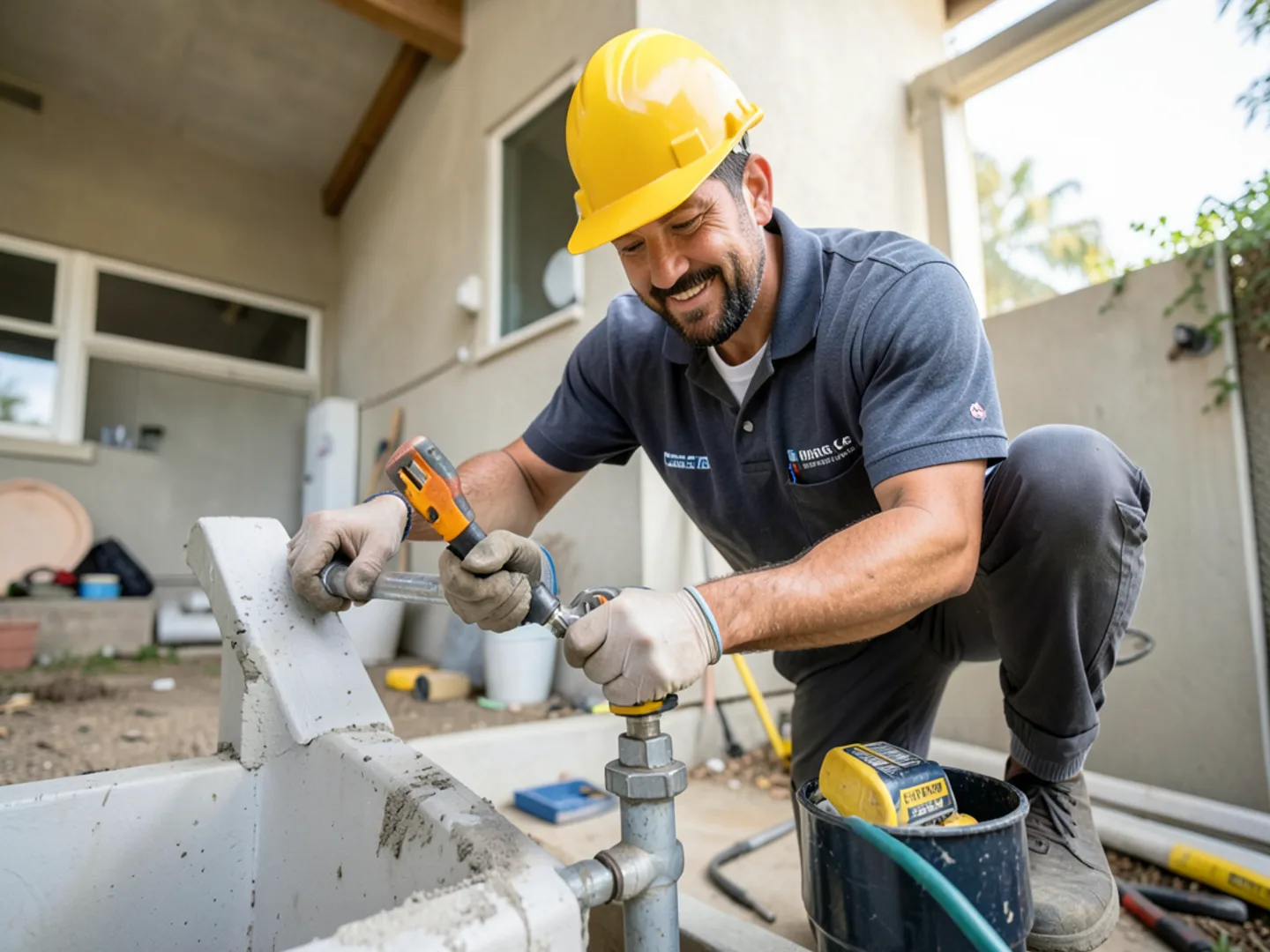
Domestic water delivered across Riverside is managed by two primary entities: Riverside Public Utilities (RPU), drawing from local groundwater aquifers in the Bunker Hill and Riverside basins, and Western Municipal Water District (WMWD). Tap water tests consistently demonstrate high mineral concentrations ranging between 16 and 22 grains per gallon (GPG) of dissolved calcium and magnesium. This severe mineral hardness causes rapid scaling on water heater elements, restricts flow through thermostatic shower valves, and shortens the operational lifespan of dishwashers. We install demand-initiated ion-exchange water softeners and catalytic scale-prevention units to safeguard plumbing infrastructure across Riverside.
Commercial plumbing and backflow certification across Riverside business parks
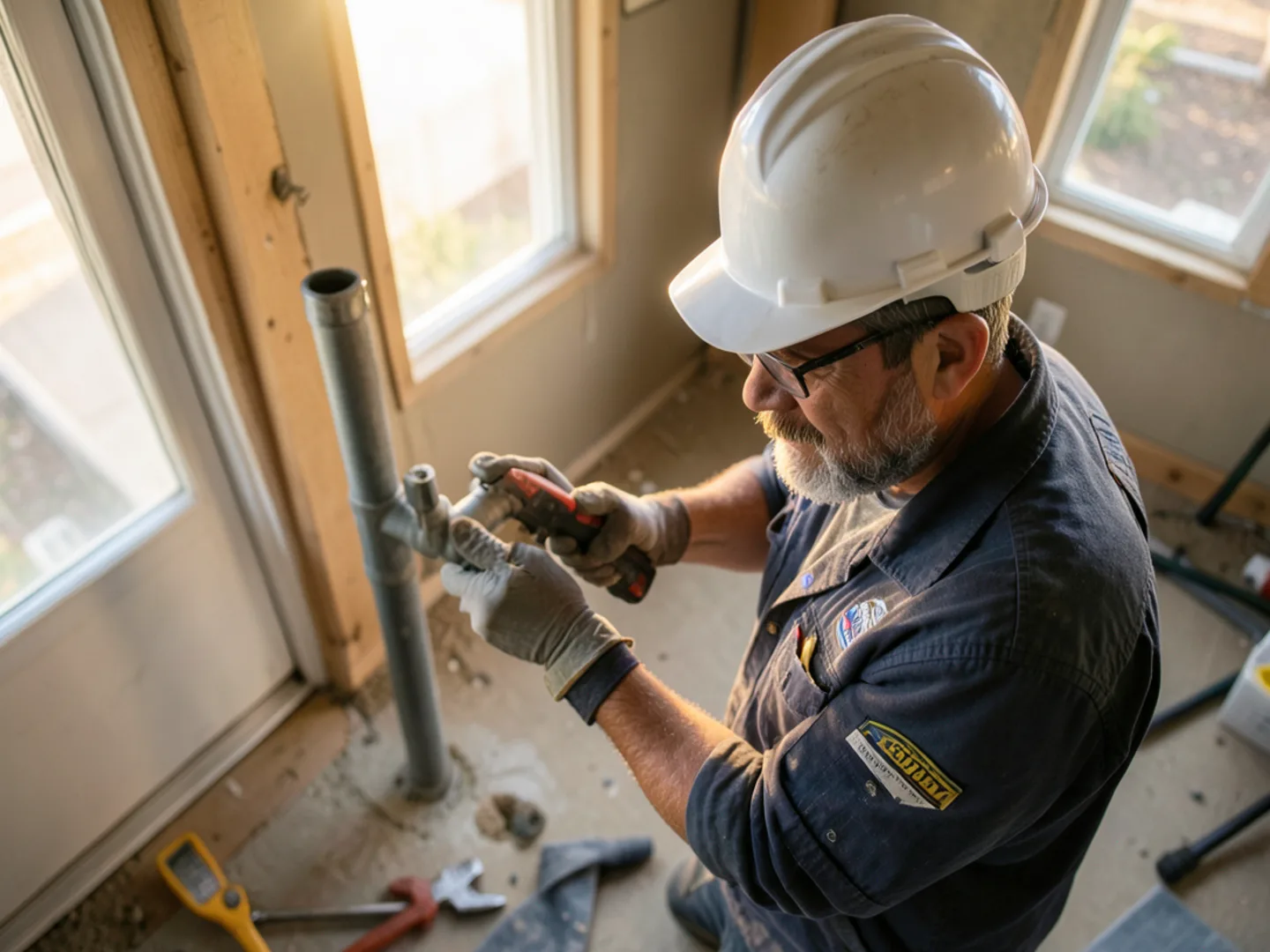
Riverside features extensive commercial corridors, regional hospital complexes, and major educational campuses including the University of California Riverside (UCR) and California Baptist University (CBU). Commercial operations demand heavy-duty mechanical reliability. Our commercial plumbing department services multi-stall commercial restroom flushometers, clears kitchen grease laterals using 4,000 PSI hydro-jetting, and installs commercial power-vent gas water heaters. In addition, our certified technicians conduct mandatory annual backflow assembly testing (RPZ and double-check valves) in compliance with Riverside Public Utilities cross-connection control standards.
Emergency water shutoff and City of Riverside building permit standards
When a pressurized water line ruptures or an under-slab leak surfaces, property owners must quickly isolate the water source. The primary residential shutoff valve is typically located on the exterior foundation wall below the front hose spigot or inside the garage near the water heater. If this valve is frozen, water can be turned off at the municipal water meter box near the street sidewalk using a standard curb key. In Riverside, water service is administered by RPU or WMWD. All significant plumbing modifications—including water heater changeouts, whole-home repiping, and sewer replacements—require permits through the City of Riverside Building and Safety Division. Our licensed C-36 contractors manage all permit filings and coordinate on-site municipal building inspections.
High-priority plumbing services requested in Riverside
Whole-House PEX Repiping
Restoring historic craftsman and mid-century homes with corroded pipes.
Slab Leak Detection & Reroutes
Sub-slab copper failures in Orangecrest and La Sierra tract homes.
Sewer Lateral Repair & Replacement
Mature tree roots infiltrating older vitrified clay sewer laterals.
Commercial Backflow Testing
Mandatory annual certification for Riverside commercial properties.
Operating from our central shop in Corona, CA
All field operations, warehouse inventory, and diagnostic equipment are stationed at 685 E Grand Blvd in Corona. Learn more about our central plumber in Corona CA shop, or call our direct phone line at (207) 419-2600 for scheduling.