What our water filtration system installation includes
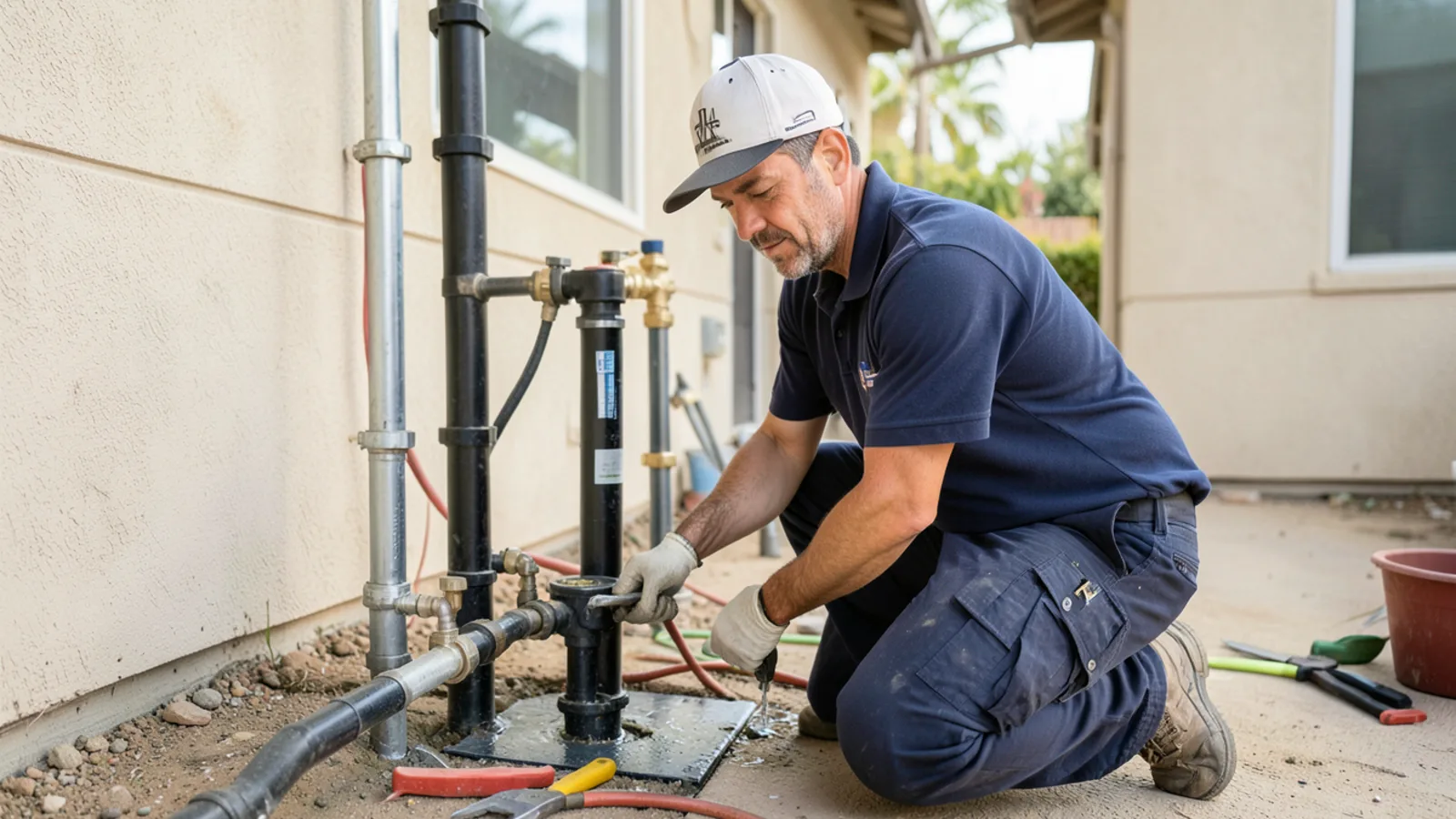
Municipal tap water delivered across Corona contains heavy disinfectant chemicals, volatile organic compounds, and elevated dissolved solids that affect taste, odor, and skin comfort. Operating from 685 E Grand Blvd, our licensed C-36 plumbing contractors design and install custom residential water treatment solutions matched to Corona municipal water chemistry. Every water filtration installation project includes: (1) In-home digital water testing for total dissolved solids (TDS), chlorine, and hardness; (2) Whole-house catalytic carbon media tanks engineered for chloramine and pesticide removal; (3) 5-micron spun polypropylene high-flow sediment pre-filter installations; (4) Multi-stage under-sink reverse osmosis (RO) systems with alkaline remineralization cartridges; (5) Dedicated quarter-turn air-gap designer drinking water faucets; (6) Full-port 1-inch and 1.25-inch three-valve bypass manifolds for effortless maintenance; (7) Pure water line routing to refrigerator ice makers and instant hot dispensers; (8) California Plumbing Code Section 801 air gap drain connections and municipal permit management.
Water quality chemistry and municipal blending in Corona
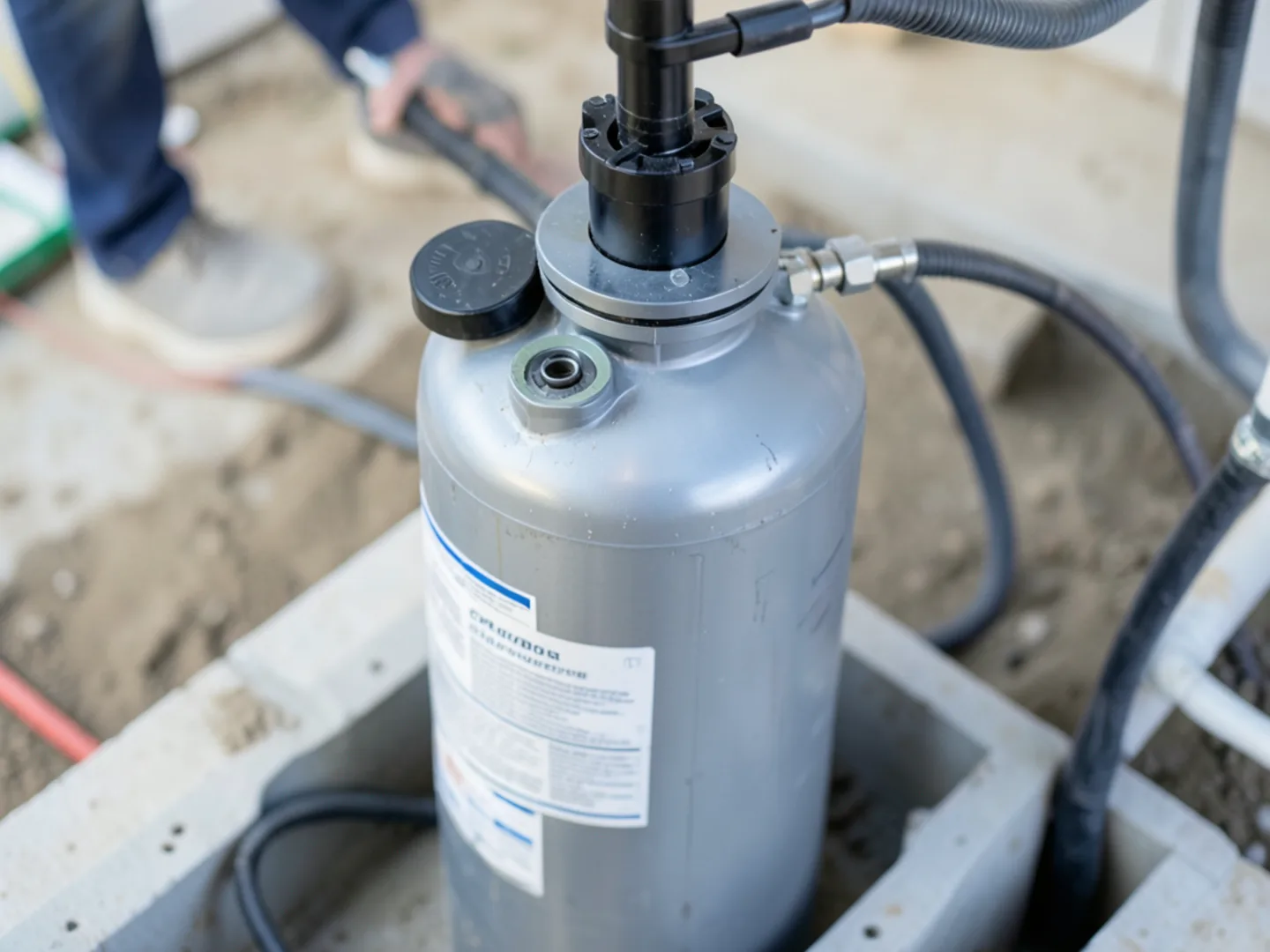
The City of Corona Department of Water and Power (DWP) sources municipal water from a complex blend of local groundwater wells across the Temescal Basin and imported surface water through the Metropolitan Water District (drawn from the Colorado River Aqueduct and Northern California State Water Project). To sanitize this blended supply through extensive municipal transmission mains, the utility doses water with chloramines (a chemical bonding of chlorine and ammonia). While chloramines prevent biological pathogen growth, they impart a pronounced chemical bleach odor, accelerate the oxidation of rubber plumbing gaskets, and form disinfection byproducts including trihalomethanes (THMs). Standard granular activated carbon filters quickly exhaust when treating chloramines; our installations utilize high-activity catalytic carbon, an advanced media chemically engineered to fracture the tight chlorine-ammonia bond and capture both contaminants completely.
Whole-house catalytic carbon filtration versus under-sink reverse osmosis
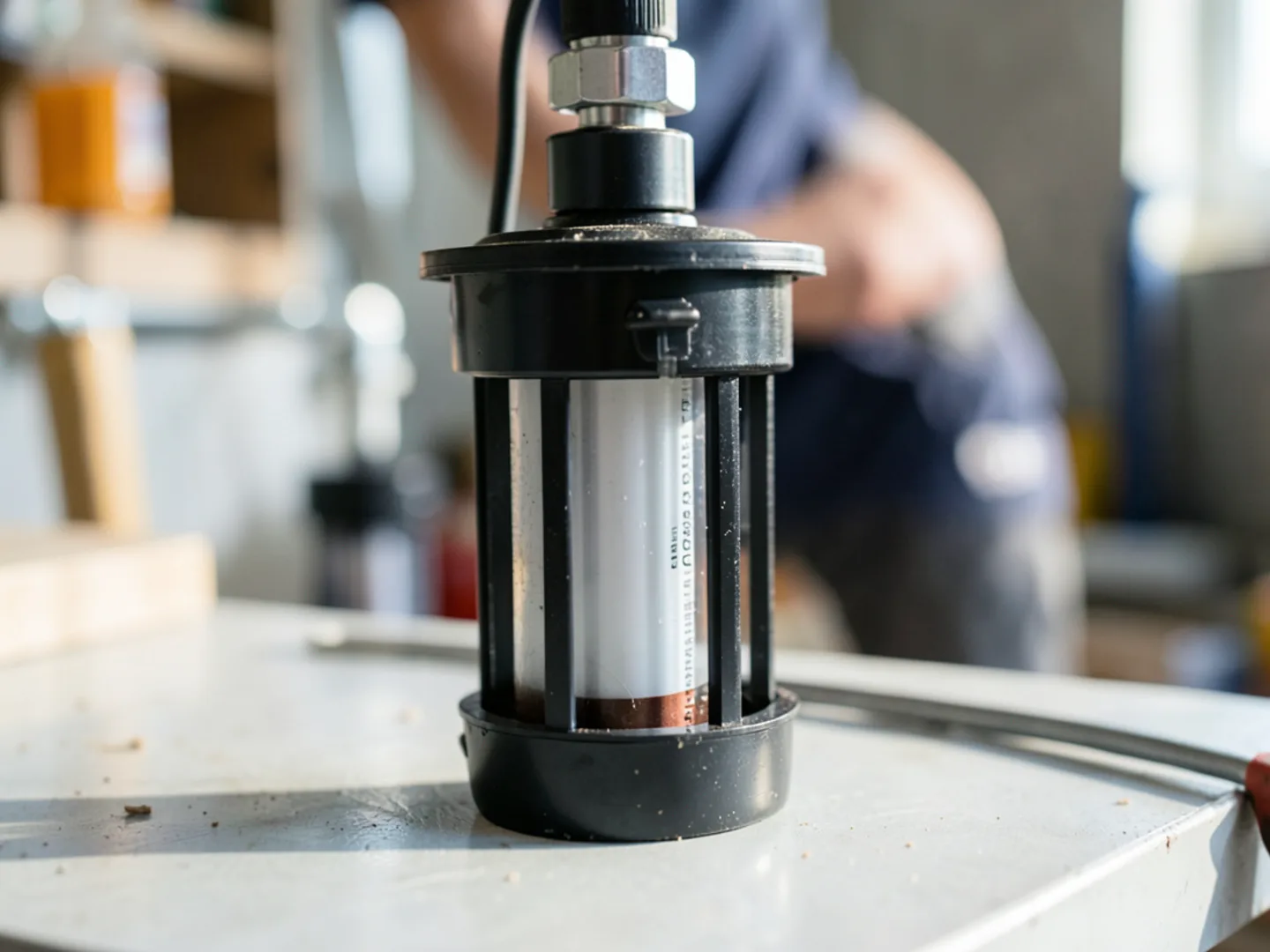
A complete residential water purification strategy incorporates two complementary barrier technologies: (1) Whole-House Catalytic Carbon Filtration: Positioned at your home main water service entry before water branches to water heaters or fixtures. This system treats 100% of water used for showering, bathing, cooking, and laundry, stripping out chloramines, hydrogen sulfide odors, pesticides, and volatile organic chemicals. Showering in chlorine-free water prevents skin dryness, eye irritation, and brittle hair while protecting in-wall copper plumbing from chemical corrosion. (2) Multi-Stage Under-Sink Reverse Osmosis (RO): While whole-house carbon treats chemicals, under-sink RO provides molecular-level purification for cooking and drinking. Water passes through a semi-permeable membrane with 0.0001-micron pores that rejects over 98% of dissolved minerals, fluoride, nitrates, microplastics, heavy metals (lead, arsenic), and PFAS forever chemicals.
Water filtration compared to water softening
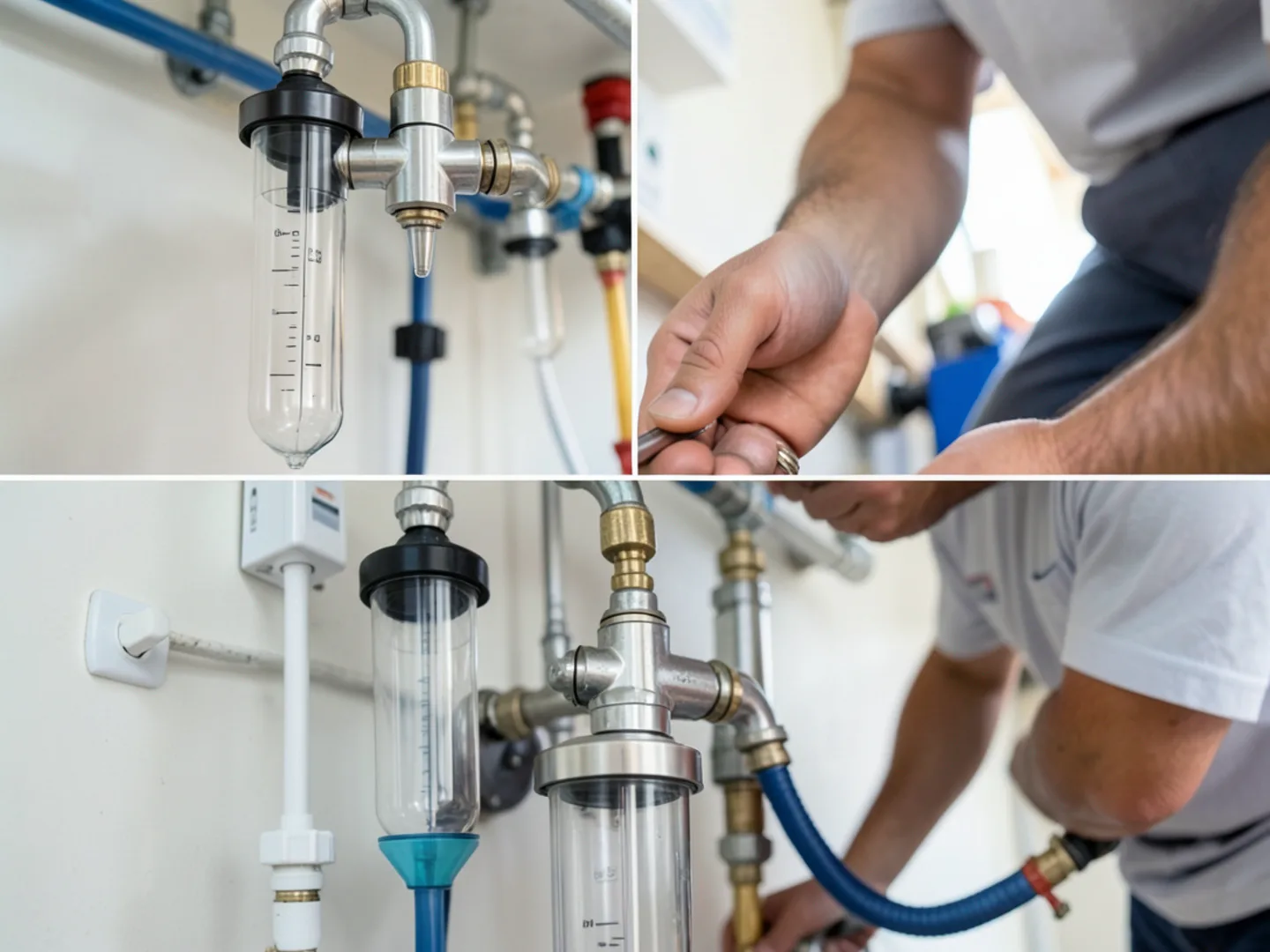
Many homeowners confuse water filtration with water softening, yet each addresses fundamentally different water quality issues. Water filtration removes chemical disinfectants, bad tastes, industrial solvents, and sediment, but it leaves dissolved calcium and magnesium minerals in the water. Water softening uses ion-exchange resin to remove dissolved calcium and magnesium, preventing destructive hard water scale on fixtures and water heaters, but it does not remove chlorine or organic chemicals. For Corona households experiencing both chlorine odor and severe 12 to 22 GPG mineral encrustation, we install an integrated dual-tank system: an initial catalytic carbon filter to protect household health and preserve the water softener resin from chlorine breakdown, followed by an efficient water softener to eliminate mineral scale.
Media tank sizing and maintaining full domestic water pressure
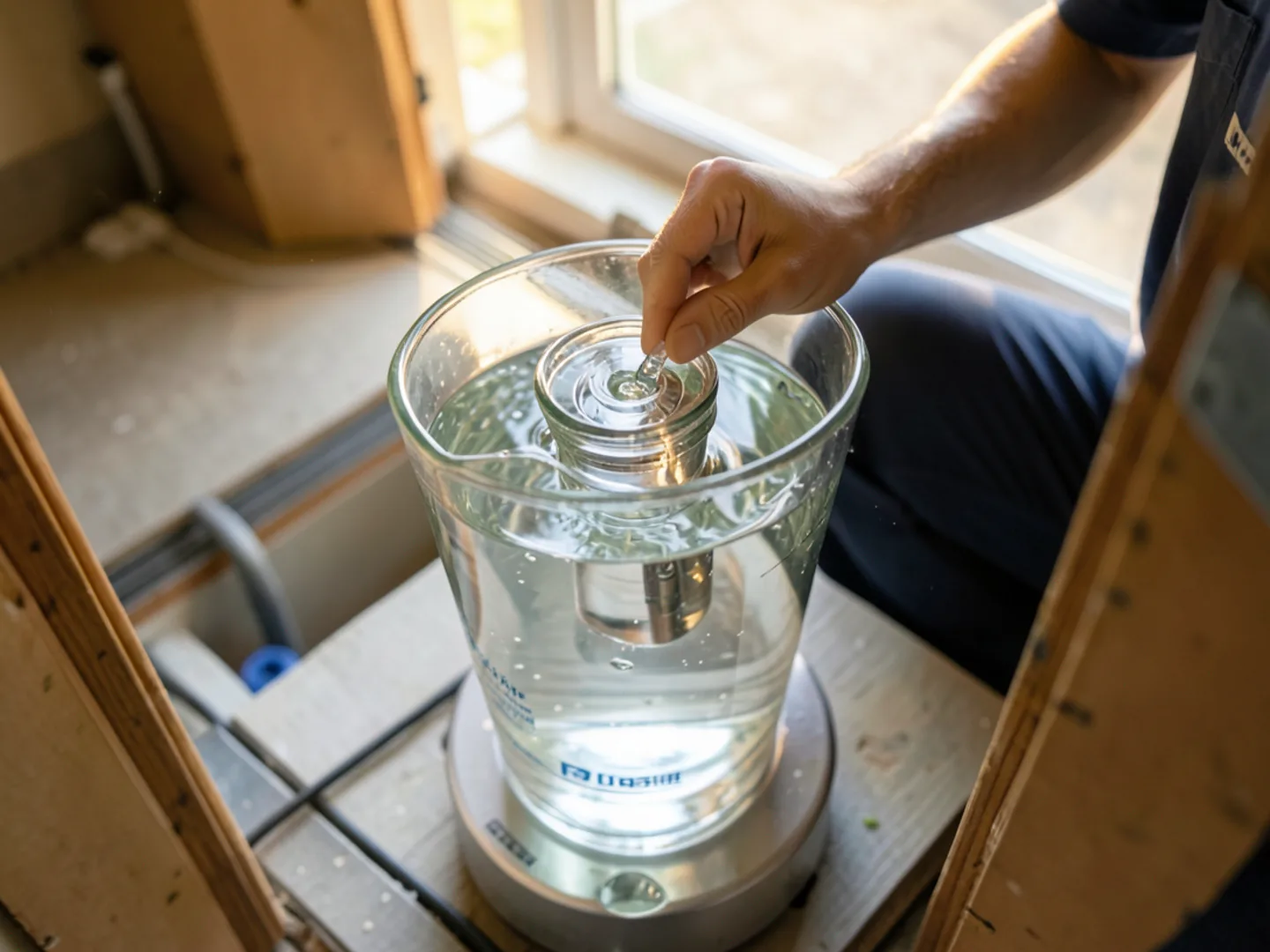
Undersized filtration systems cause severe domestic water pressure drops when multiple showers and appliances operate simultaneously. Our technicians calculate peak household flow rates (typically 12 to 18 GPM for modern 3- to 5-bathroom Corona residences) and size filtration equipment accordingly: (1) 1.5 Cubic Foot Systems: Feature 10-inch by 54-inch mineral tanks supporting continuous service flow rates up to 12 GPM with minimal pressure drop (less than 2 PSI). (2) 2.0 Cubic Foot Systems: Feature 12-inch by 52-inch mineral tanks supporting flow rates up to 16 GPM for large estate homes with multi-head master shower towers. All tanks feature high-efficiency Vortech distributor plates that optimize water contact time and reduce backwash wastewater by up to 30%.
Our five-step water filtration installation workflow
To deliver pristine water quality without domestic disruption, our certified technicians execute a five-step installation sequence: Step 1: Baseline Water Analysis and Sizing. We test incoming water at the main service shutoff, measure static water pressure, and determine optimal media volume. Step 2: Mechanical Entry Loop and Manifold Assembly. We cut into the primary water supply and solder or press a heavy-duty three-valve bypass manifold using lead-free brass ball valves and Type L copper pipe. Step 3: Sediment Pre-Filter and Media Tank Installation. We mount a high-capacity 20-inch Big Blue sediment pre-filter housing and plumb the catalytic carbon media vessel. Step 4: Backwash Drain and Air Gap Hookup. We route rigid Schedule 40 PVC drain lines to an approved exterior waste receptor, installing a code-mandated air gap per CPC Section 801 to prevent cross-contamination. Step 5: Media Conditioning and Digital Purity Testing. We initiate a controlled automatic backwash to flush carbon fines, calibrate electronic control heads, and test finished water quality at kitchen and bathroom taps.
Water filtration system installation cost factors
Investment costs for residential water filtration in Corona depend on the scope of purification and physical plumbing access: (1) System Scope: Compact under-sink reverse osmosis systems involve lower equipment and labor costs compared to whole-house catalytic carbon media tanks that treat all incoming domestic water. (2) Main Water Line Plumbing Access: Homes equipped with dedicated soft water loop stubs in the garage allow direct manifold connection; properties lacking an existing loop require cutting into the main domestic water line and routing new supply pipes. (3) Hybrid Dual-Tank Integration: Combining whole-house catalytic carbon filtration with an ion-exchange water softener on a coordinated bypass manifold requires additional tank space planning and dual drain line routing. (4) Auxiliary Line Extensions: Routing dedicated high-purity water lines from under-sink RO tanks through cabinetry or wall cavities to refrigerator ice makers involves specialized tubing labor.
System maintenance and annual cartridge replacement schedules
High-performance water treatment equipment requires minimal routine homeowner intervention when installed correctly. Whole-house catalytic carbon media beds provide five to seven years of continuous chlorine and chloramine reduction before media re-bedding is necessary. The 20-inch sediment pre-filter cartridge should be replaced every 6 to 12 months depending on municipal pipeline sediment load. For under-sink reverse osmosis units, sediment and carbon pre-filters require annual replacement, the remineralization post-filter requires annual exchange, and the semi-permeable RO membrane is replaced every three to four years.
Commercial tooling and inventory dispatched from Grand Boulevard
Dispatched from 685 E Grand Blvd, our mobile service fleet carries commercial water filtration installation equipment. Our trucks are stocked with commercial Milwaukee press tools, Dwyer digital pressure manometers, precision electronic TDS meters, NSF/ANSI certified catalytic carbon tanks, Pentair commercial filter housings, and genuine John Guest push-fit fittings to complete residential water treatment installations on the first visit.
Need plumbing service in Corona or surrounding communities?
Our central dispatch is stationed on East Grand Boulevard. Whether you are dealing with an urgent leak in South Corona, need sewer diagnostics in Norco, or require water heater replacement in Eastvale, our licensed technicians arrive prepared with complete equipment rigs. Read more about our overall plumber in Corona CA services, or contact our shop at (207) 419-2600.