What our backflow testing and prevention service includes
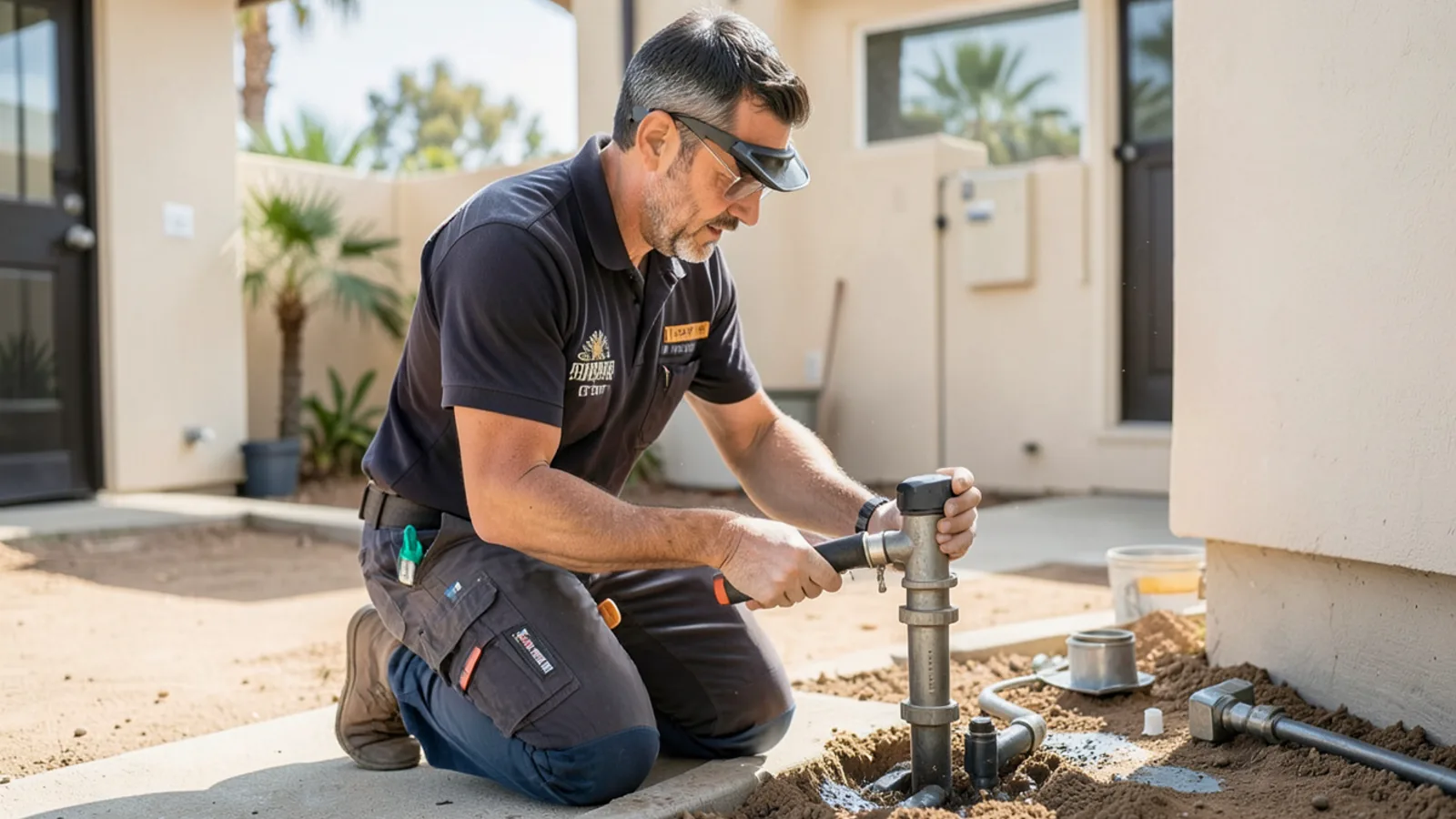
Backflow prevention assemblies safeguard public drinking water supplies from dangerous chemical, biological, and physical contaminants. Operating from 685 E Grand Blvd, our certified cross-connection control testers and licensed C-36 plumbing contractors perform certified testing, rebuilding, and new installations across Corona. Every backflow service appointment includes: (1) Certified annual backflow performance testing using calibrated differential pressure gauges; (2) Testing of Reduced Pressure Principle (RPZ), Double Check Valve (DC), and Pressure Vacuum Breaker (PVB) assemblies; (3) Internal check valve seat cleaning and silicone disc rebuilds for failing devices; (4) Relief valve discharge diagnostics and differential spring calibrations; (5) Electronic report filing with the City of Corona DWP Cross-Connection Control Division; (6) Vandalism-resistant, powder-coated steel security cage installations; (7) R-13 thermal insulated freeze pouch installations for winter protection; (8) California Code of Regulations Title 17 cross-connection surveys and compliance sign-offs.
Backflow mechanics: understanding back-siphonage and back-pressure
Potable water in municipal supply mains flows under continuous positive pressure. However, hydraulic fluctuations can reverse this direction through two distinct physical mechanisms: (1) Back-Siphonage: Occurs when a sudden pressure drop happens upstream in the municipal water main—such as during high-volume fire department hydrant drafting, a nearby water main rupture, or heavy utility maintenance. This negative pressure creates a vacuum that siphons non-potable water from irrigation pipes, chemical fertilizer tanks, or boiler loops into the potable drinking supply. (2) Back-Pressure: Occurs when downstream mechanical pressure exceeds incoming utility pressure—such as when a commercial booster pump, closed-loop hydronic heating system, or compressed air line forces treated water or chemicals backward into city distribution piping. Engineered backflow assemblies provide fail-safe physical barriers against both failure modes.
Approved backflow assemblies: RPZ, double check and vacuum breakers
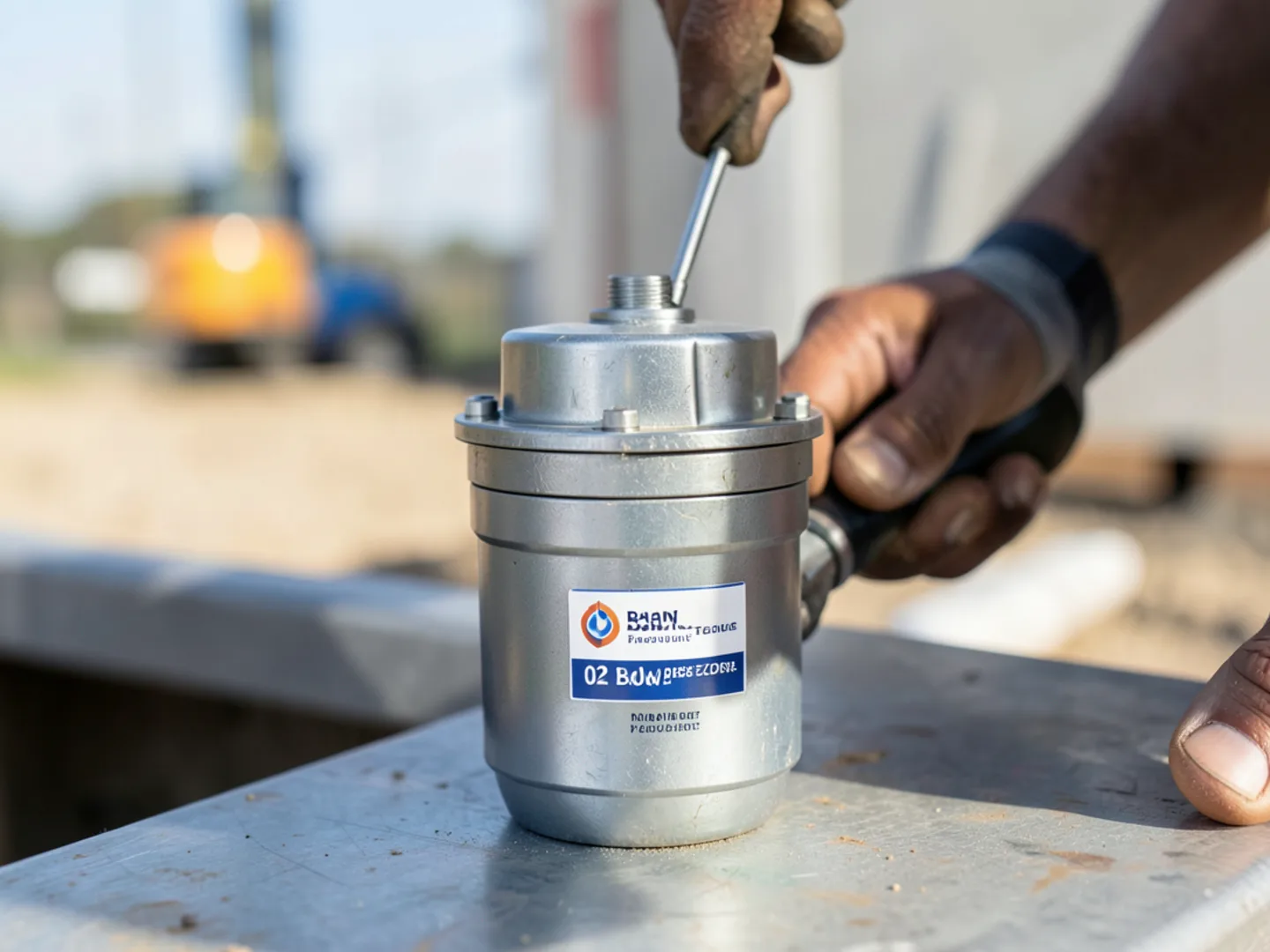
Selecting the correct backflow assembly depends on the degree of hazard determined by the City of Corona DWP and Riverside County Environmental Health: (1) Reduced Pressure Principle (RP / RPZ) Assemblies (Watts 009/LF909, Febco 825Y, Wilkins 375): Designed for high-hazard connections where contaminated water could cause illness or death (commercial kitchens, medical facilities, automotive shops, chemical feed lines). RPZ devices feature two independent check valves separated by a hydraulically operated differential relief valve that vents water to atmosphere if either check fails. (2) Double Check Valve (DC / DCDA) Assemblies: Used for low-hazard non-health hazards such as dedicated fire sprinkler lines without chemical additives. (3) Pressure Vacuum Breakers (PVB) & Spill-Resistant Vacuum Breakers (SVB): Commonly installed on commercial and residential landscape irrigation systems, installed at least 12 inches above the highest downstream sprinkler head.
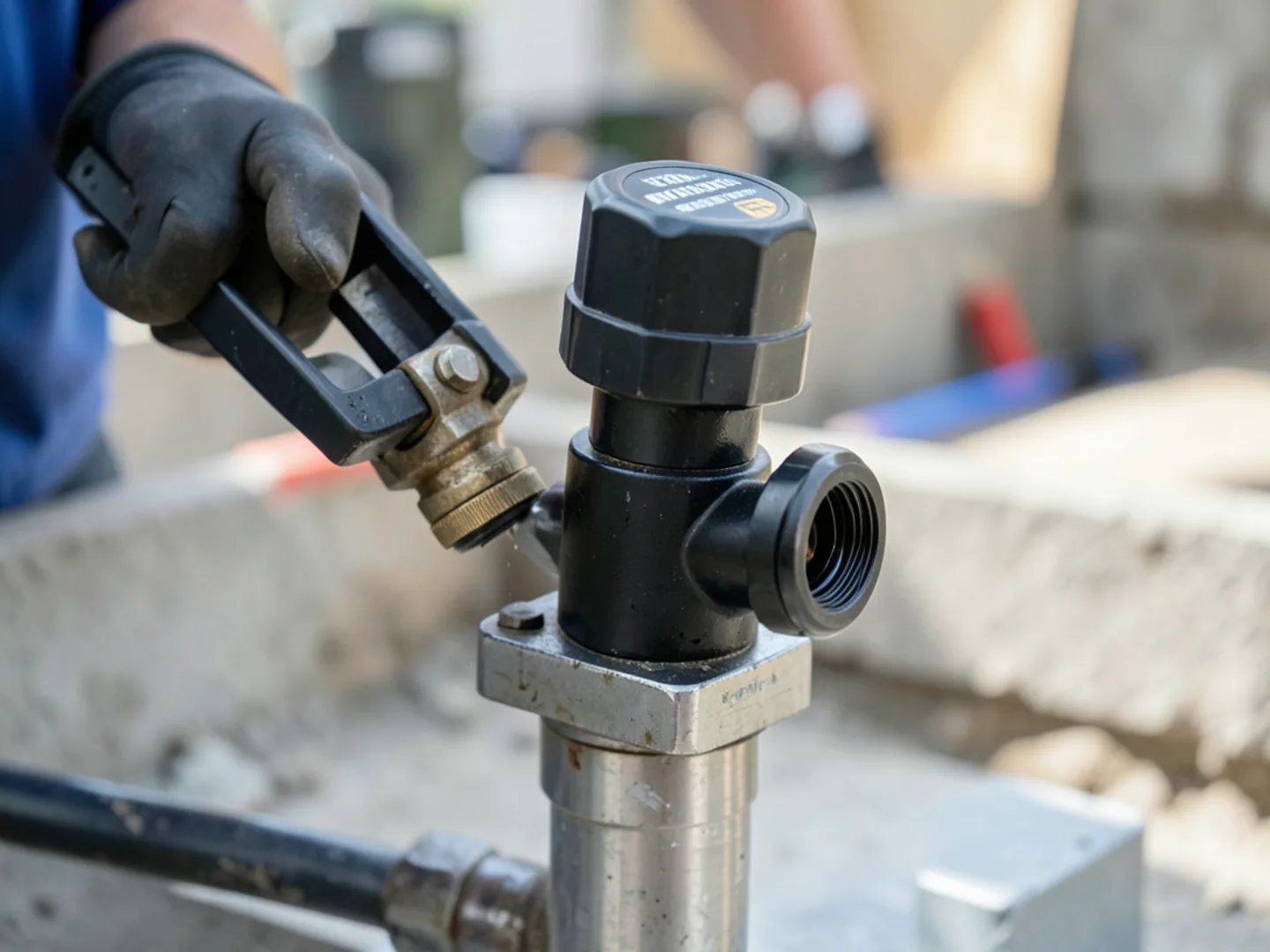
Our five-step certified backflow testing workflow
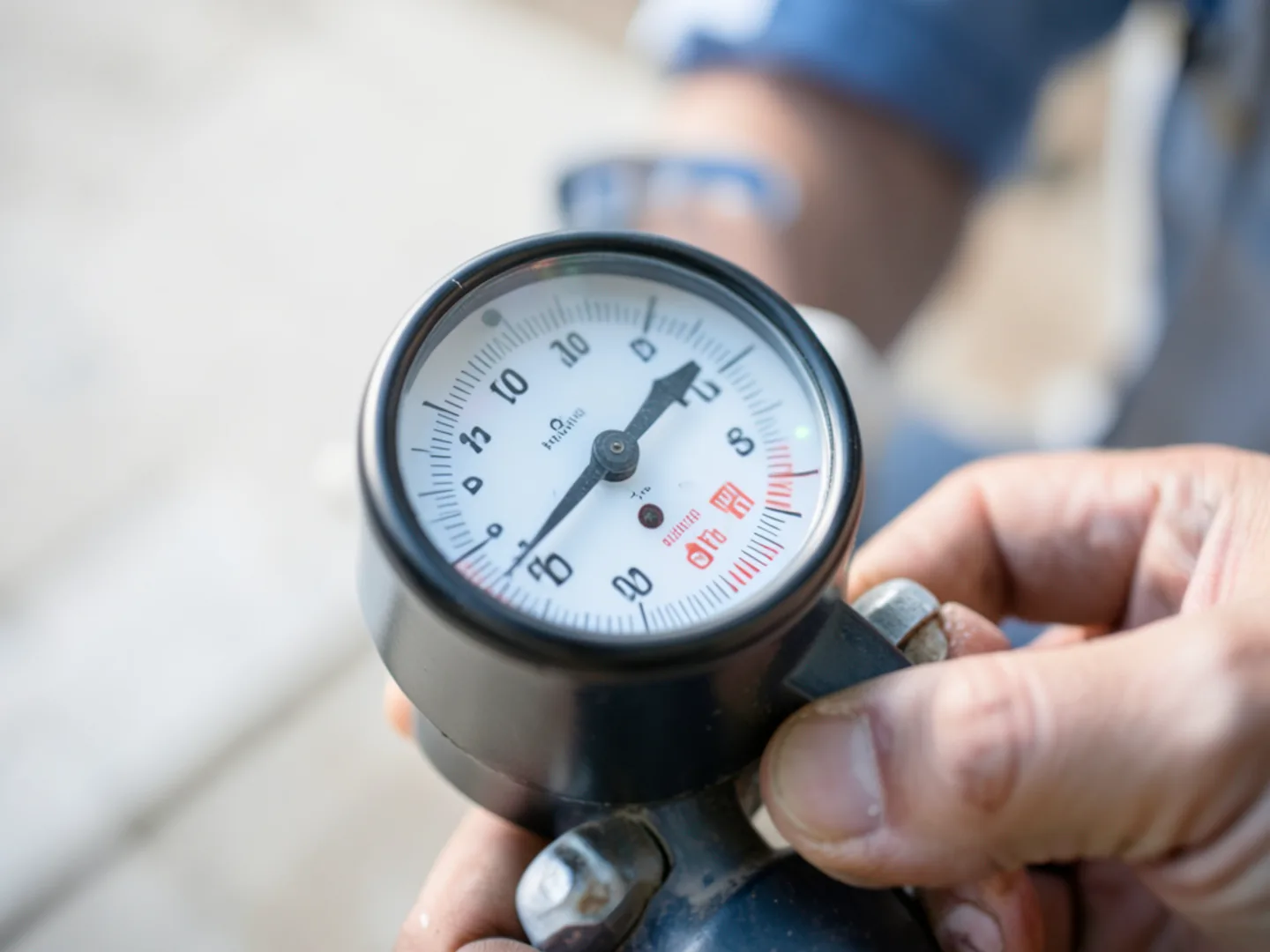
To fulfill City of Corona annual testing mandates, our certified testers follow a rigorous five-step field protocol: Step 1: Pre-Test Inspection & Cleanout. We record manufacturer model numbers, serial numbers, and meter badges, inspecting shutoff valves and blowing out particulate scale from all four test cocks. Step 2: Calibrated Gauge Connection. We connect high-precision differential pressure test equipment (Mid-West Instrument Model 845-5) to test cocks using high-pressure flexible hoses and bleed needles. Step 3: Check Valve Holding Power Verification. We test Check Valve 1 to confirm it maintains a minimum differential pressure of 5.0 PSID, and verify Check Valve 2 holds tight against back-pressure. Step 4: Differential Relief Valve Activation Calibration. On RPZ units, we throttle test needle valves to measure the exact opening point of the differential relief valve, confirming it vents at or above 2.0 PSID. Step 5: Official Report Generation & DWP Submission. We complete the formal test report on-site, apply a physical compliance tag to the assembly, and submit verified digital paperwork directly to the City of Corona DWP Cross-Connection Control Division.
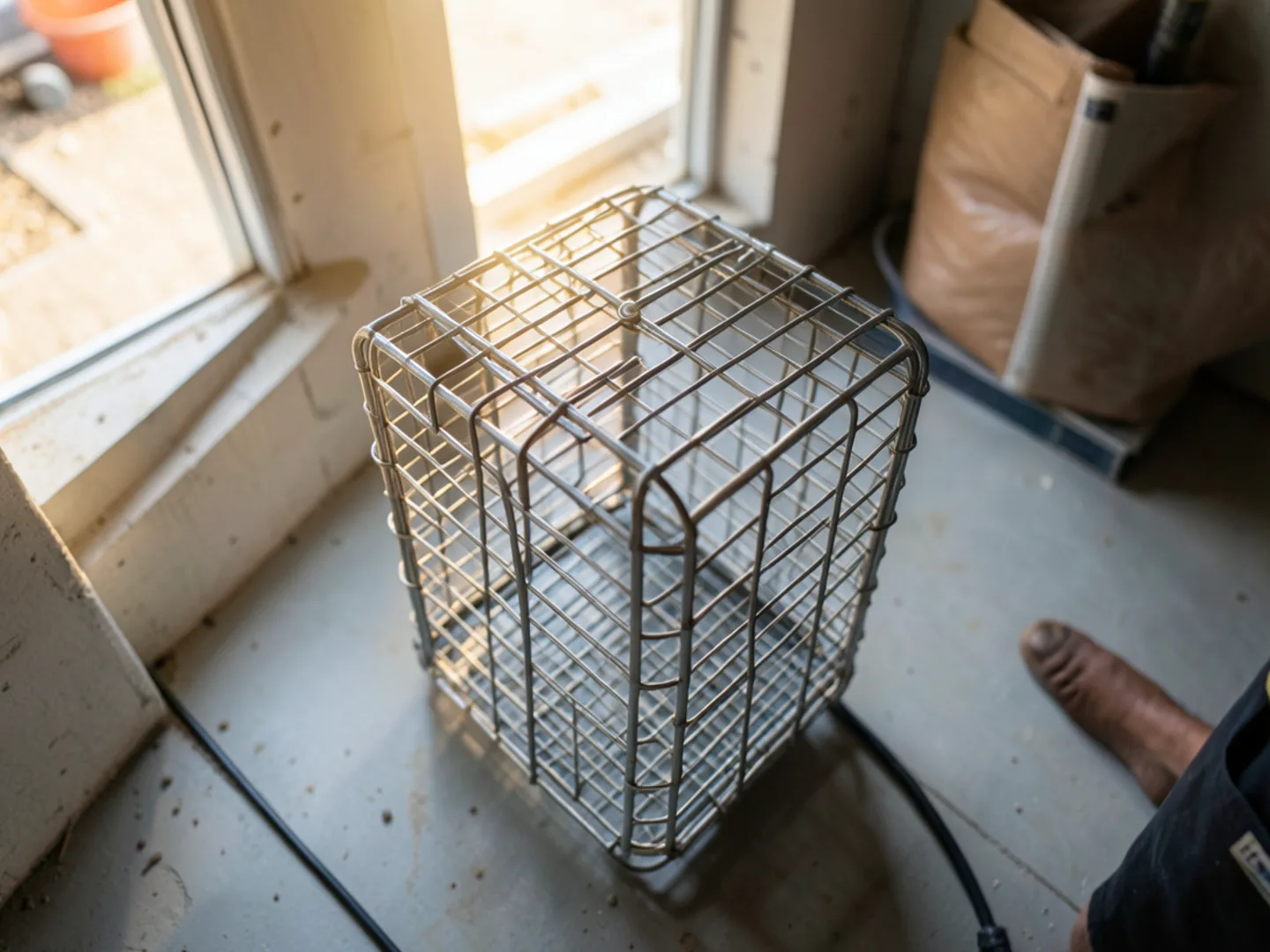
Backflow repairs and certified rebuild kits
If a backflow assembly fails testing, it cannot simply be adjusted—it must be disassembled, mechanically serviced, and re-tested. In Corona, abrasive silica particles and heavy mineral deposits (12 to 22 GPG hardness) from the municipal water supply frequently scratch silicone check discs, foul stainless steel spring guides, or coat relief valve sensing diaphragms. Our technicians carry genuine factory rebuild kits for Watts, Zurn Wilkins, Febco, and Conbraco Apollo assemblies. We clean internal brass bodies, replace worn rubber discs and springs, lubricate dynamic seals with food-grade silicone grease, and perform a complete re-test to restore the unit to factory certification tolerances.
Security enclosures and freeze protection in Corona
Because California plumbing codes mandate that backflow assemblies must be installed above ground with adequate drainage clearances, these heavy bronze and brass units are highly visible and vulnerable to theft. High scrap metal prices make unprotected commercial backflow valves prime targets for metal thieves, leaving businesses with flooded parking lots and severed water service. We install heavy-gauge, powder-coated steel security cages anchored into concrete foundations with tamper-resistant masonry hardware. Additionally, during cold winter mornings, exposed valves can freeze and crack their internal relief valve castings; we install heavy R-13 insulated, weatherproof freeze blankets to ensure reliable winter protection.
California Title 17 cross-connection mandates and DWP compliance
Under California Code of Regulations (CCR) Title 17 (Sections 7583 through 7605) and City of Corona municipal code, every property with a potential cross-connection must have its backflow prevention assembly tested annually by an approved certified tester. Failure to submit verified testing reports within the utility 30-day compliance window results in non-compliance violation notices and administrative water shutoffs by the City of Corona DWP. Our certified testers handle all documentation and liaison directly with municipal water inspectors to keep your commercial property or residential fire service fully certified.
Need plumbing service in Corona or surrounding communities?
Our central dispatch is stationed on East Grand Boulevard. Whether you are dealing with an urgent leak in South Corona, need sewer diagnostics in Norco, or require water heater replacement in Eastvale, our licensed technicians arrive prepared with complete equipment rigs. Read more about our overall plumber in Corona CA services, or contact our shop at (207) 419-2600.