
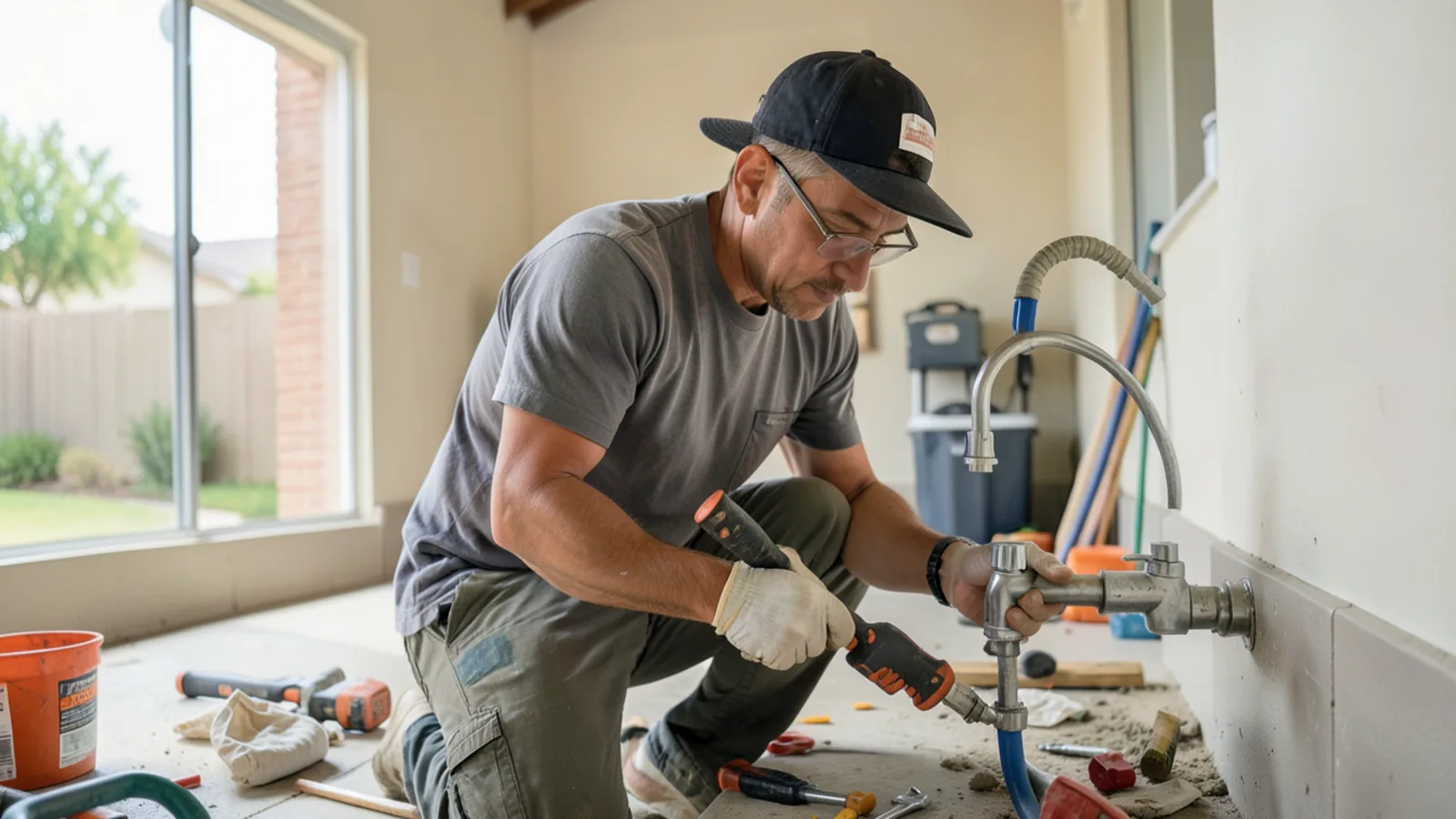
What our faucet repair and replacement service includes
A dripping or malfunctioning faucet wastes thousands of gallons of treated water each year while eroding granite countertops and creating persistent rust stains. Operating from 685 E Grand Blvd, our licensed C-36 technicians restore kitchen and bathroom faucets to smooth mechanical operation. Every service visit includes: (1) Baseline domestic water pressure verification at the fixture supply; (2) Mechanical diagnosis of leaking spouts, stiff handles, and restricted aerator flow; (3) Precision ceramic disc cartridge rebuilds and spool replacements using OEM parts from Moen, Delta, Kohler, and Grohe; (4) Sonic descaling and chemical clearing of calcium deposits from aerator screens and spray wands; (5) Inspection and replacement of seized under-sink angle stop shutoff valves; (6) Braided stainless steel supply line upgrades meeting 1,200 PSI burst standards; (7) Professional installation of customer-supplied or contractor-grade water-saving fixtures; (8) California CALGreen and Title 24 water efficiency compliance verification.
Why faucets leak and lose pressure in Corona homes
Residential faucets in Corona endure harsh mechanical conditions driven by local water chemistry and municipal delivery pressure: First, City of Corona Department of Water and Power (DWP) tap water carries high mineral hardness ranging between 12 and 22 grains per gallon. As hard water flows across internal mixing valves, dissolved calcium and magnesium precipitate onto moving surfaces, forming abrasive crystalline crusts that score smooth ceramic discs and abrade rubber O-rings. Second, municipal water delivery pressures frequently exceed 85 to 110 PSI in Corona foothill neighborhoods. Excessive hydraulic pressure forces water past rubber valve seals, accelerates mechanical wear on handle linkages, and triggers water hammer vibration when single-handle valves snap shut. Third, mineral scale flakes break loose from water heater tanks and travel through supply lines, lodging inside fine wire mesh aerators and creating sudden drops in faucet output volume.
Repairing ceramic cartridges versus replacing the faucet fixture
Before recommending a new fixture, our technicians evaluate whether a mechanical rebuild delivers lasting value: High-end faucets manufactured by Moen, Delta, Kohler, and Grohe feature modular brass valve housings and replaceable ceramic disc cartridges. If the external brass casing remains structurally sound and free from chemical pitting, pulling the seized cartridge, dissolving internal mineral crusts, and installing a genuine factory replacement cartridge restores factory-smooth temperature control at a fraction of fixture replacement cost. Conversely, if internal brass valve seats have suffered deep dezincification pitting, if the exterior protective finish has corroded from chemical cleaners, or if mounting hardware has rusted into an immovable mass under the countertop, mechanical replacement is the superior investment. Installing a modern solid brass fixture restores dependable performance, enhances kitchen ergonomics with high-arc pull-down sprayers, and guarantees compliance with current lead-free standards.
Upgrading under-sink angle stops and stainless steel supply lines
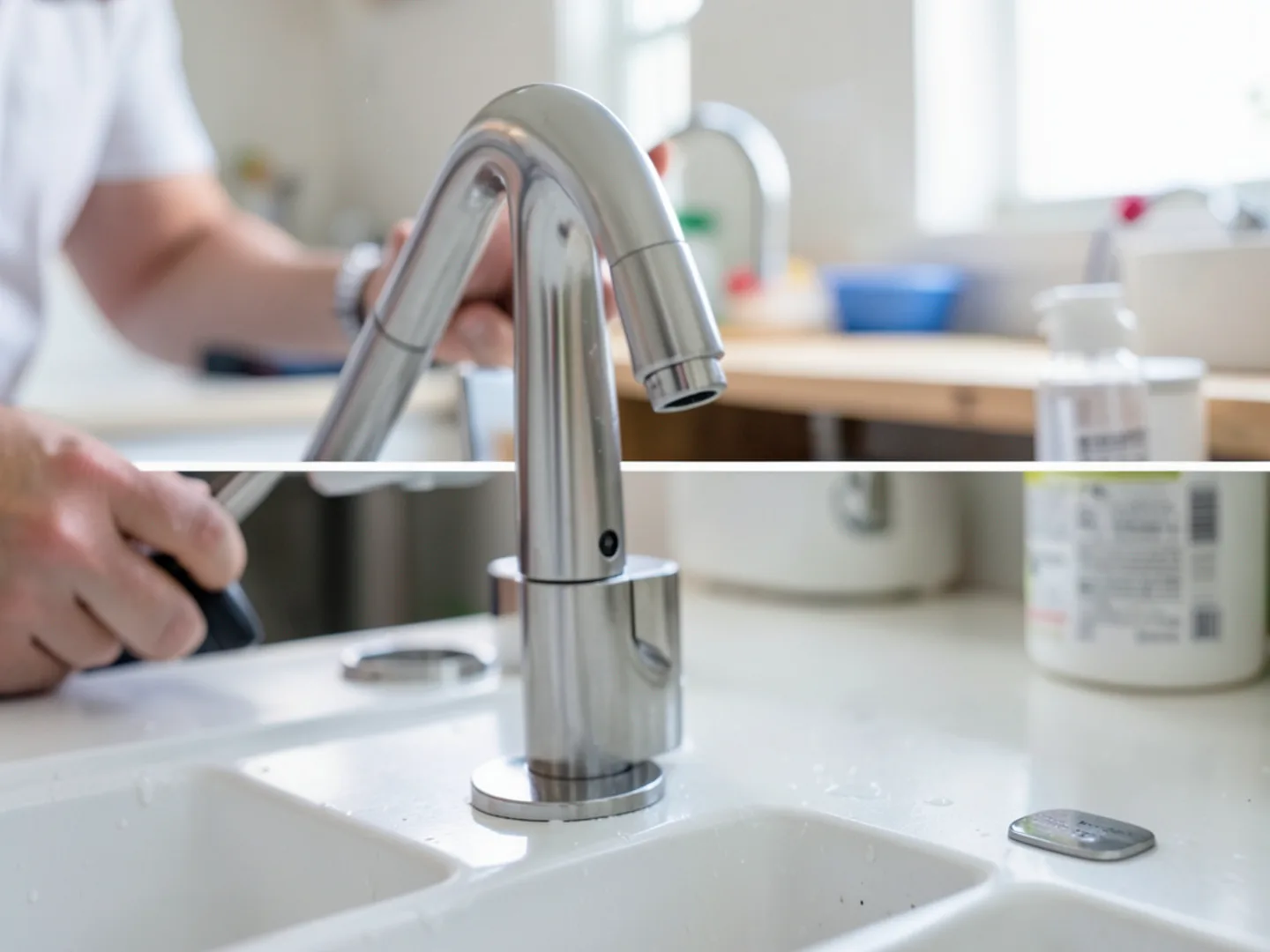
Servicing a faucet requires functioning under-sink shutoff valves (angle stops). In older Corona tract homes, original multi-turn angle stops feature plastic stems or brass gate packings that corrode and seize after 10 to 15 years of inactivity. Forcing an aged valve often snaps the internal stem or causes water to spray from the packing nut. Our technicians upgrade deteriorated angle stops to commercial-grade quarter-turn solid brass ball valves with Teflon seats, ensuring effortless, positive water shutoff during emergencies. Furthermore, we discard old gray plastic tubing or aged rubber supply lines, installing heavy-duty braided stainless steel flexible lines engineered to resist bursting, kinking, and seismic ground displacement.
Our five-step faucet restoration and installation process
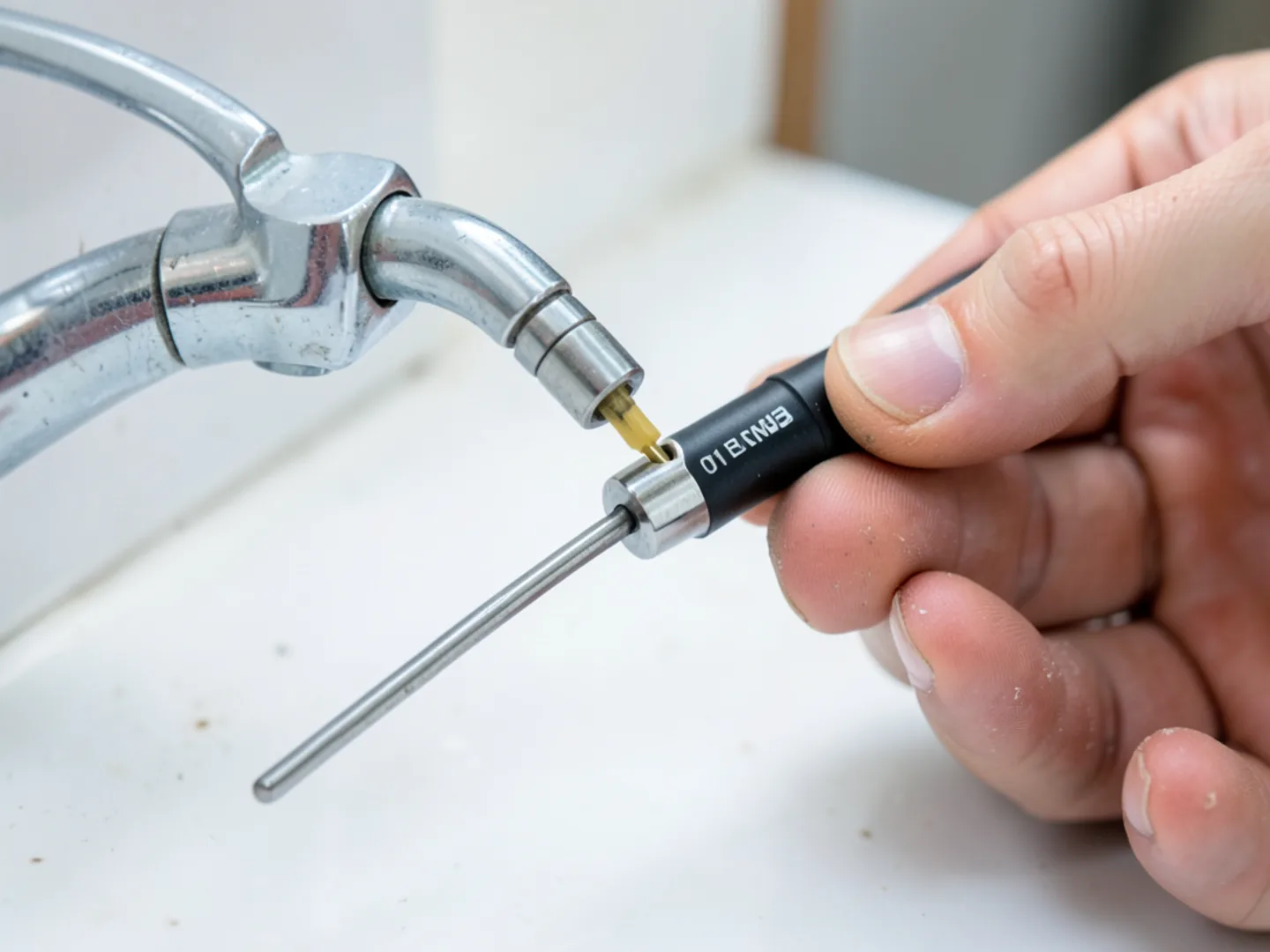
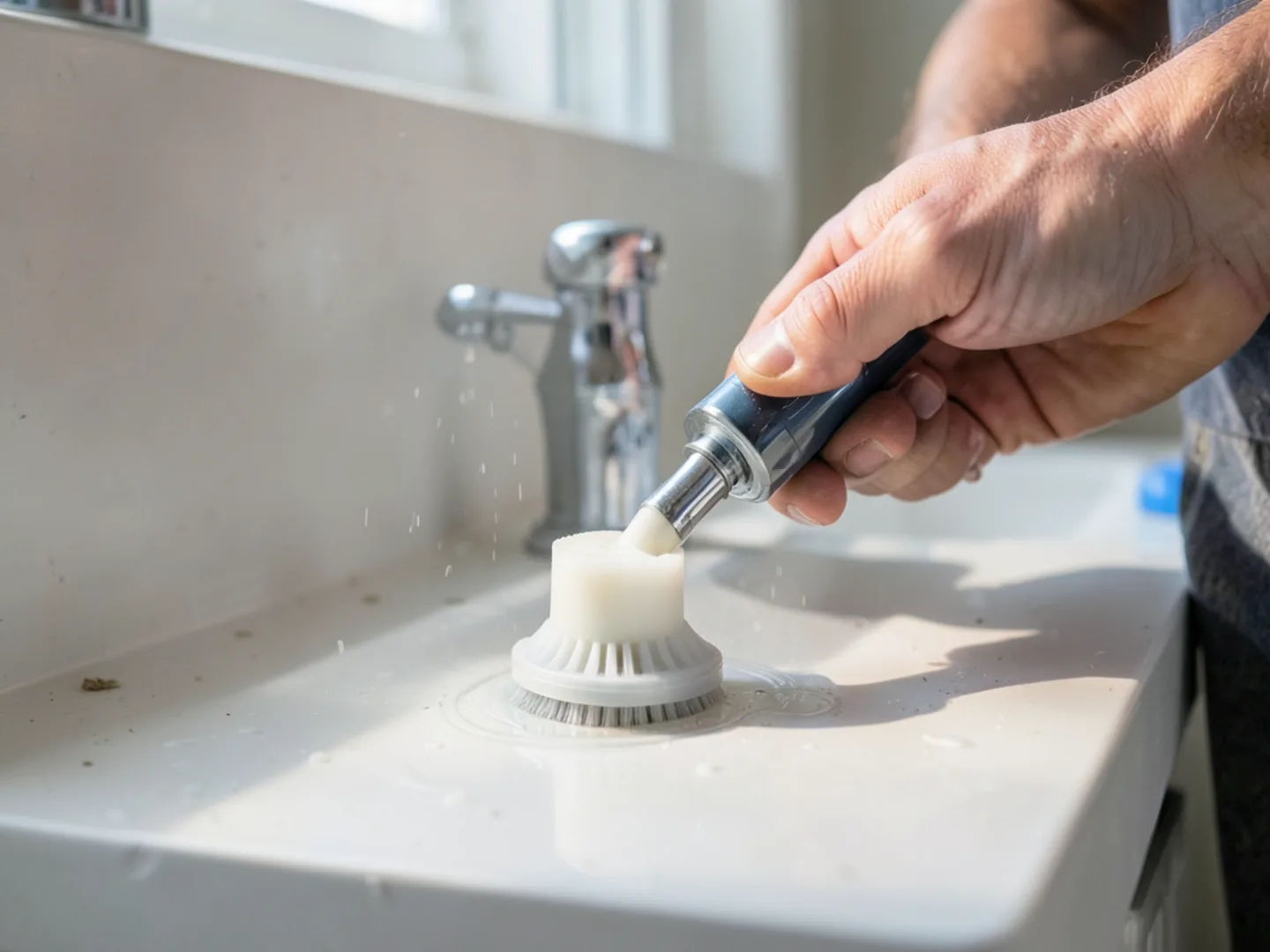
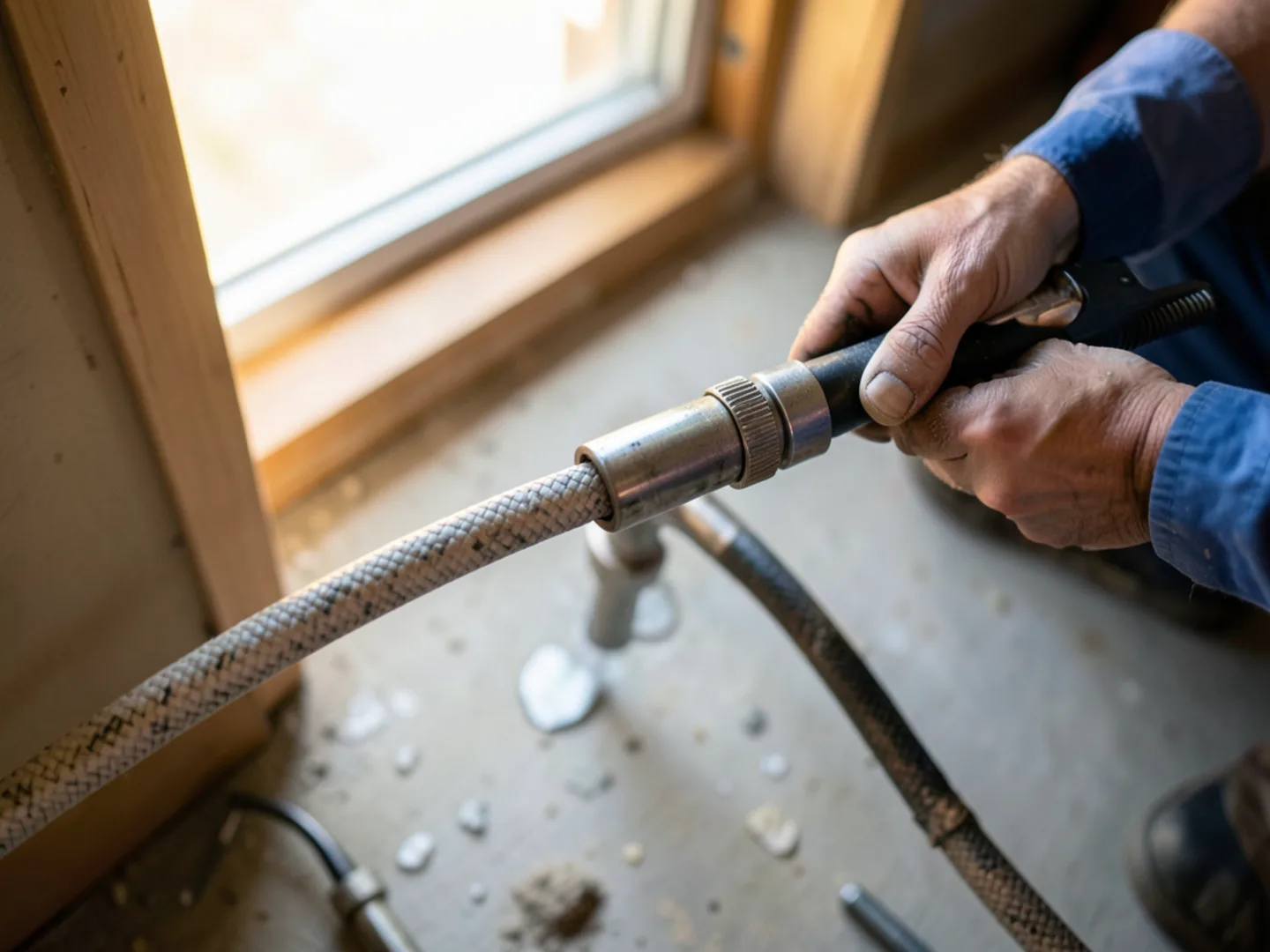
Our technicians execute faucet servicing through an orderly five-stage mechanical workflow: Step 1: Supply Isolation and Worksite Preparation. We close under-sink stops or the house main, test static pressure, and place protective catchment trays beneath plumbing traps. Step 2: Mechanical Disassembly. Using specialized cartridge pullers (such as the Moen 104421 tool) and basin wrenches, we extract the seized cartridge without gouging the polished finish. Step 3: Valve Body Descaling and Line Flushing. We apply food-grade descaling solution to dissolve internal calcium scale and briefly flush domestic supply lines to purge loose grit before assembling new parts. Step 4: Component Installation or Fixture Mounting. We install genuine OEM ceramic cartridges with silicone lubricant, or mount new faucet assemblies using heavy brass locknuts, wide anti-slip reinforcement plates, and neutral-cure sanitary silicone. Step 5: Full-Flow Pressure and Mixing Verification. We repressurize the supply, clean the aerator screen, test hot-to-cold mixing balance, and inspect every mechanical connection under full domestic operating pressure.
Faucet repair and installation pricing factors
Pricing for faucet services is governed by transparent physical variables: (1) Mounting Configuration: Single-hole kitchen faucets with deck plates involve straightforward mounting, whereas widespread three-hole bathroom lavatory fixtures or wall-mounted vessel fillers require more assembly time and precise horizontal alignment. (2) Countertop Under-Sink Accessibility: Open pedestal sinks or spacious vanity cabinets allow fast installation, whereas tight workspaces behind deep undermount double-basin sinks crowded with garbage disposals, instant hot water tanks, and filtration systems require specialized telescoping basin tooling. (3) Scope of Parts: Rebuilding an existing cartridge requires standard parts and labor, while installing a brand-new fixture with upgraded solid brass quarter-turn angle stops and braided stainless supply lines provides comprehensive, long-term flood protection.
California plumbing code standards and CALGreen water efficiency
All faucet repairs and new fixture installations in Corona must satisfy California Plumbing Code Title 24 Part 5 and the California Green Building Standards Code (CALGreen). California state law enforces strict flow rate maximums to conserve municipal water: residential lavatory faucets must not exceed 1.2 gallons per minute (GPM) at 60 PSI, while kitchen faucets are capped at 1.8 GPM (with an optional 2.2 GPM momentary boost for pot filling). In addition, California Health and Safety Code Section 116875 (AB 1953) dictates that all replacement faucets and water delivery components must be certified lead-free, with a maximum weighted average lead content of 0.25% across wetted surfaces.
Specialized plumbing tools carried on our mobile service fleet
Accessing cramped under-sink compartments without damaging expensive quartz countertops requires professional plumbing tools. Our mobile trucks carry Ridgid telescoping basin wrenches, specialized manufacturer cartridge pullers for Moen, Delta, and Kohler valves, digital pressure test manifolds, and ultrasonic cleaning baths to descale delicate aerator spray heads. We maintain comprehensive rolling inventories of genuine replacement cartridges, brass angle stops, and stainless supply lines to complete your faucet repair on the first service visit.
Need plumbing service in Corona or surrounding communities?
Our central dispatch is stationed on East Grand Boulevard. Whether you are dealing with an urgent leak in South Corona, need sewer diagnostics in Norco, or require water heater replacement in Eastvale, our licensed technicians arrive prepared with complete equipment rigs. Read more about our overall plumber in Corona CA services, or contact our shop at (207) 419-2600.